




Mary Sullivan has worked with Hollywood A-list celebrities for years. Her Rolodex includes household names like Donald Sutherland, Michael Crichton, and John Cleese. But a few years ago, she decided to leave the world of Hollywood to help launch the business of a television host who called her from a sewer—and the thousands of skilled tradesmen across America that he champions.
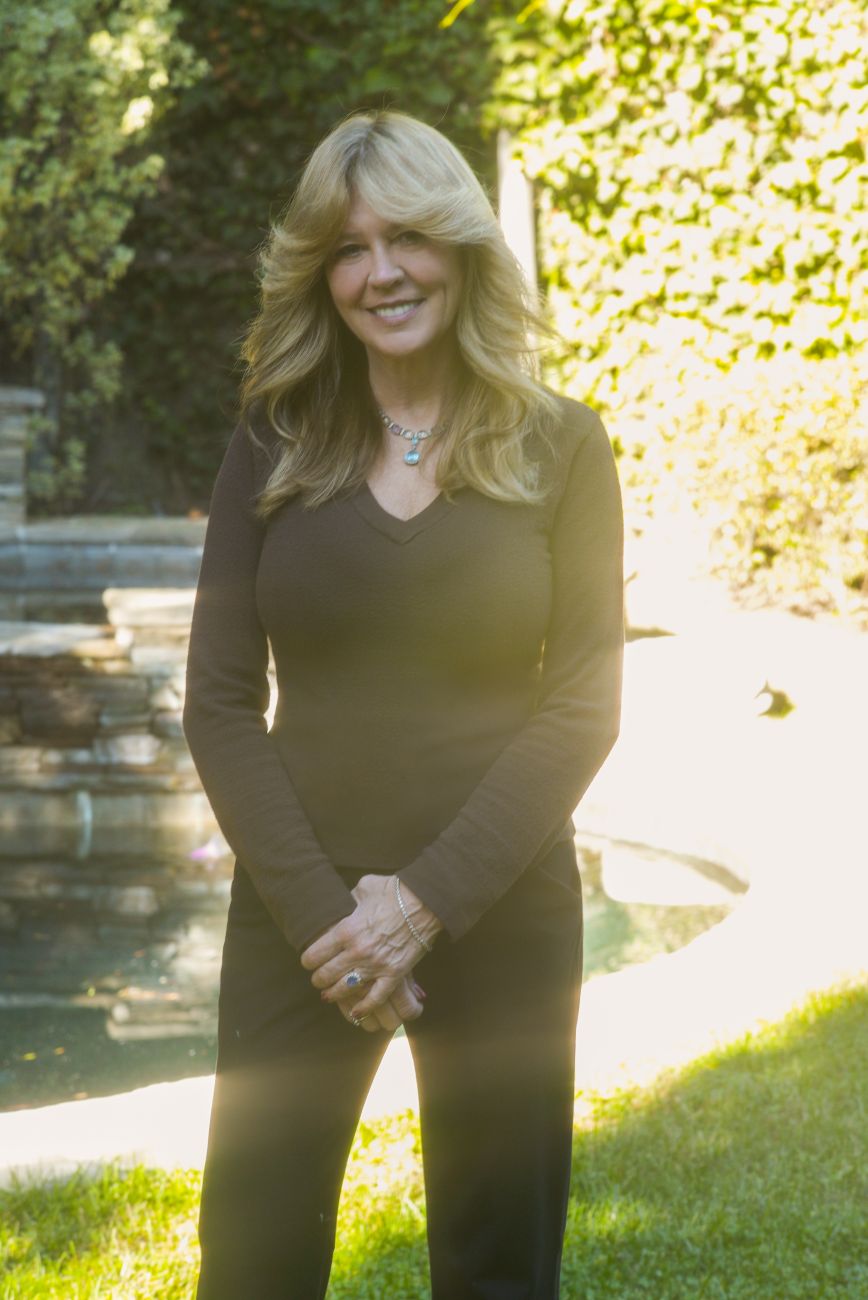

As president of the mikeroweWORKS Foundation, Sullivan is helping build America’s future, literally, by leading the effort to reinvigorate the trades across the country. This year, the foundation has grown to give away $10 million in work ethic scholarships to enterprising Americans ready to learn a skilled trade.
But when Sullivan first met her business partner Mike Rowe, he just needed a miracle-worker lawyer to fix a bad contract.
“He actually called me on a break from Dirty Jobs,” Sullivan recalled, referencing Rowe’s hit television show. “I think he was in a grease trap and basically talked my ear off for an hour until I agreed to represent him.”
Dirty Jobs originally aired on the Discovery Channel and started with three episodes, which were shelved for a year before airing. However, when test audiences saw the episodes and Rowe’s down-to-earth hosting, they ranked the show number one and him the top host. So Discovery ordered dozens of episodes and Rowe to hit the road.

“I had negotiated Dirty Jobs myself,” Mike Rowe told IW Features. “And I suddenly found myself at the center of a show that had turned into a very unlikely hit, and I needed somebody to go in and fix the deal.”
With a referral from a friend, Rowe reached out to Sullivan on a lunch break, sitting on an upside-down bucket, eating a sandwich in the sewer.
“The idea that this woman even took my call, much less answered her own phone, it really took me by surprise. And once I got her on the phone, I just decided I wasn’t going to hang up until she agreed to see me,” Rowe added.
The two realized that they grew up 20 minutes from each other in Baltimore and were even born in the same year. Later, when they met in Sullivan’s Los Angeles office, Rowe said he knew Sullivan was the woman for the job when she immediately set aside a delivered Tiffany’s box gifted by another client.
“I don’t know a lot of women who aren’t going to open that box right away from Tiffany’s,” Rowe said. “I thought, ‘Wow, she’s actually really listening to me.’ … I realized I was outclassed in that moment, and I put my total trust in her to fix my deal.”

Sullivan made it “her personal mission” to negotiate Rowe’s contract—a process that dragged on for years. During the protracted negotiations, Sullivan and Rowe were working without pay. Still, Sullivan advised Rowe to bide his time in order to secure the best deal possible.
Rowe’s response?
“He wrote me a letter, and there was a blank check enclosed,” Sullivan said. “He wrote, ‘I’m not used to sending blank checks, but I am sending one to you because you seem incapable of billing me. It’s driving me crazy that you’re working so hard, and you’re not getting paid.’”
Sullivan never cashed the check, but she kept it alongside Rowe’s predictive letter promising that, although he would never send her boxes from Tiffany’s, he would be “a reliable drinking partner when it comes to reasonably-priced, quality champagnes.”

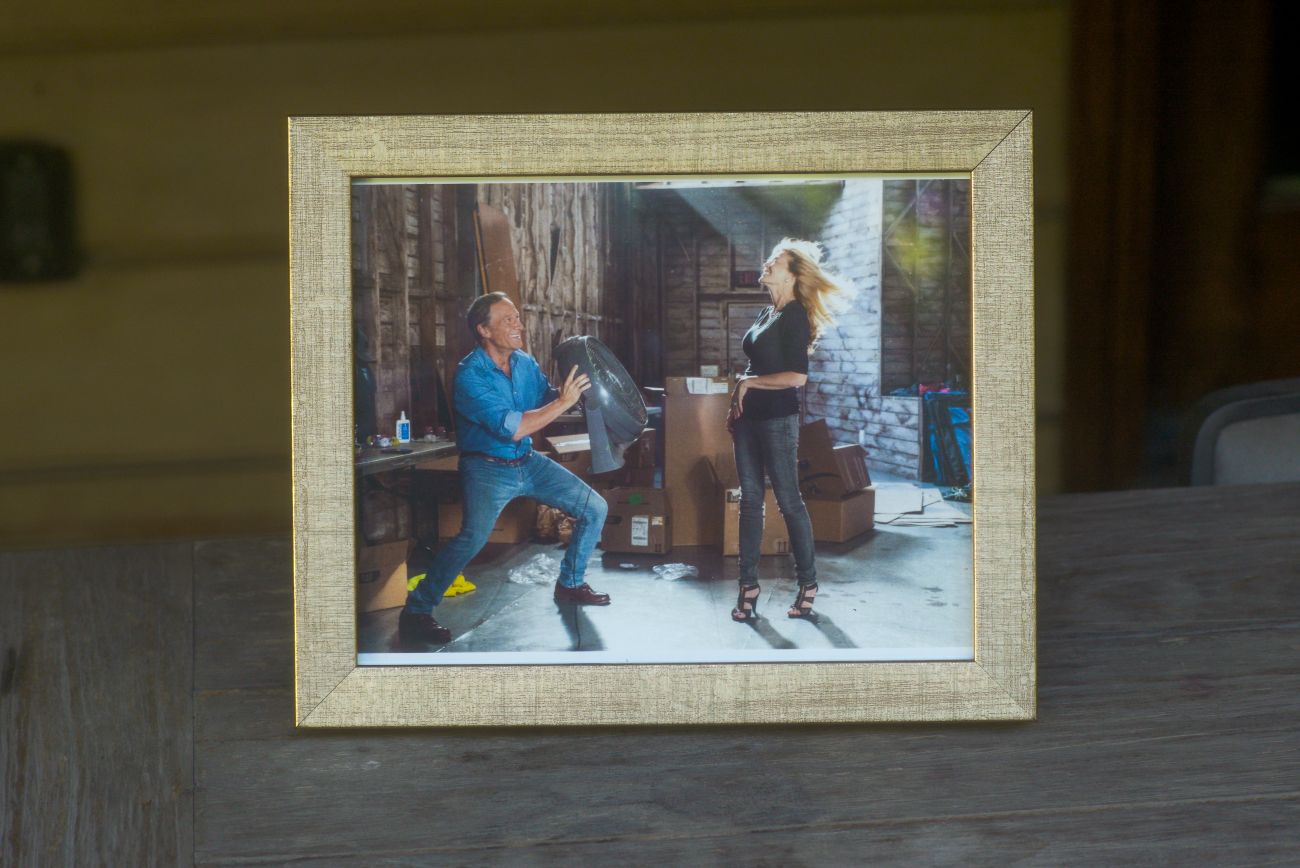
“Honestly, I don’t think she likes a bully,” Rowe said. “I think she thought I was taken advantage of in a way, and I think she wanted to fix that. And that’s not a quality that you typically find.”
Sullivan’s strategy paid off. She got Rowe the contract he wanted, and then “spent about two years trying to get him to hire an agent or a manager or someone,” she said. But Rowe trusted Sullivan to represent him better than anyone else in the business.
“She’s sui generis, one of one,” Rowe said.
“I used to call her the ‘Irish Hammer,’” he added, explaining the reference to her powers of negotiation and her Irish heritage. “Donald Sutherland loved that. He used to draw little illustrations of her wielding a hammer in these negotiations… On the bottom of his letters, he would draw the Irish hammer.”

That’s why when he launched the mikeroweWORKS Foundation to offer scholarships to Americans joining the trades, she was the perfect fit for the organization’s president.
“So many kids these days are coming out [of college], and they have an albatross around their neck. They’ve got $100,000 plus of debt to go out and probably not get a job in their chosen field,” Sullivan explained.
The mikeroweWORKS Foundation’s mission is to train the next generation of skilled tradesmen and women and share their stories to encourage more Americans to consider a career in the trades. The foundation also works to correct misconceptions around the trades and show how the trades can offer opportunities to build a life, start a business, and support a family, Sullivan added.
“I wish that people would look at the opportunity in the trades through fresh eyes,” she said.
Sullivan’s own career is a testament to the power of work ethic and gumption over any prescribed pathway. She started as a biology major at Loyola University Maryland after discovering her love of the subject in high school. But as a college junior, she realized she didn’t want to pursue the typical biology career routes.
“[I] had a complete panic because I wanted to do business, but I didn’t have the right credits to be able to go to business school. So I ended up deciding to go to law school because the entrance exam was logic/reasoning and reading, and I could do both of those things,” she said.
“I joke that probably Georgetown [University Law Center] accepted me because they’d never had a straight-A bio major apply to go to law school,” she added.
With her business interest, she knew she wanted to go into corporate law, but at the time, she said law schools were only churning out litigators. She interviewed across D.C. and New York, but having grown up in Maryland, she said she was ready for something new. It was an interview with a California entertainment firm that brought her into the world of Hollywood stars.
“I went into the interview, and I said, ‘I’m sorry, I’m interested in corporate, and you do have a corporate department, right?’” Sullivan recalled. “They’re like, ‘Yeah, yeah.’ And I said, ‘Oh good… Because to be honest, I don’t even know what entertainment law is.’ And they just started laughing because they’re both litigators, and they were like, ‘We don’t know what entertainment law is either.’”

Sullivan’s outsider status—combined with her wits and work ethics—were the key to her success. She had a fresh perspective on the entertainment world, and soon, she rose into a senior position, brokered tricky deals, and eventually helped launch her own boutique entertainment firm. But she admitted that the complexity and novelty of her work meant she “had no idea what normal was.”
“I remember, when I was negotiating Discovery’s deal, I was absolutely paranoid that I was doing a bad job because I didn’t know what people like [Rowe] should know,” Sullivan said. “And that ended up being a good thing because you’d fight for details that people might not really think about.”
Sullivan became a one-woman agent-manager-lawyer-businesswoman extraordinaire, fielding Rowe’s business inquiries and being “the party of no” while Rowe traveled constantly.
“People kept calling to get him to give speeches,” she recalled. “I called him, and I’m like, ‘They’re getting angry because I’m not even giving a [price] quote. I’m just saying no.’ And he said, ‘Well, figure out what Bill Clinton gets for a speech and just tell them that.’”
Sullivan started quoting high-end speaking fees, and eventually someone took the bait.
“I called [Mike] up. I’m like, ‘Hey, good news. I’ve got this [speaking gig].’ He’s like, ‘What? What do you mean?’” she said. “He wrote back, but I remember the last thing was that he wanted a group behind [him] doing interpretive dance while he was giving his speech.”
Even today, Sullivan is still fielding direct inquiries and managing the day-to-day of Rowe’s business relationships.
“A lot of my days, especially when I’m on planes, is simply responding to emails,” she confessed. “Emails are killing me.”


Though Sullivan still uses her legal talents for the business, her days are also spent spearheading creative and operations decisions.
On Rowe’s first commercial shoot, Sullivan recalled the conventional, polished production that Rowe was thrown into.
“It was very traditional, a lot of quick cuts, and they had dressed him in nice clothes. It’s like linen pants and a silk shirt or whatever,” she said. “He sent the spot to me, and I looked at it, and I’m like, ‘Well, the good news is nobody will recognize you.’”
On the next shoot, Sullivan started “throwing in ideas,” and her creativity made the commercials outperform and continued to grow Rowe’s business. Fundamentally, she said that Rowe was not selling the glitz and glamor of a typical celebrity endorsement. Instead, he was speaking to everyday, hardworking Americans who were willing to listen to an authentic story.
“He did a lot of commercials for Ford where he’d talk to their customers, he’d talk to their technicians,” Sullivan said.
Despite her soft-spoken mannerisms, Sullivan’s creative and business acumen are unmatched, Rowe said, noting that she’s a ruthless negotiator.
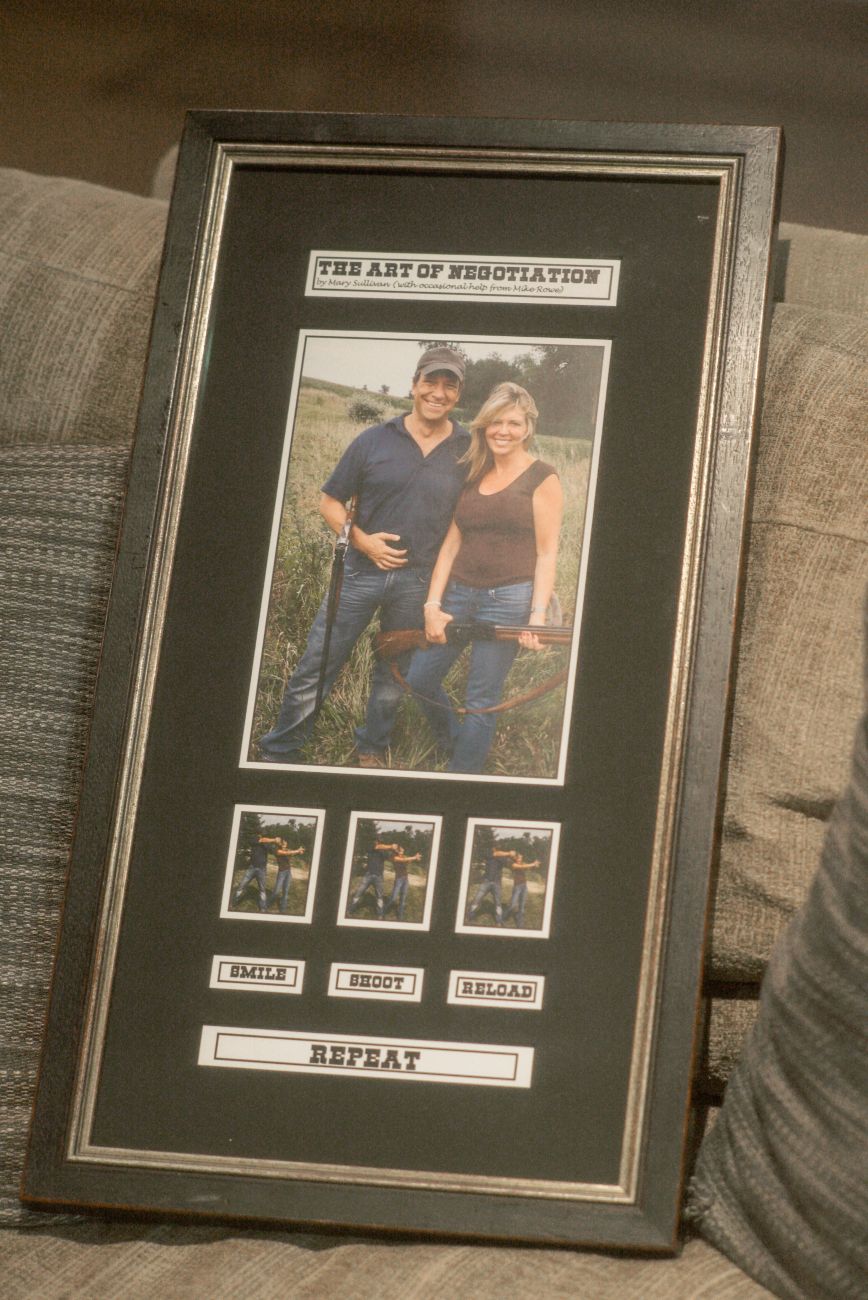
“She encouraged me to walk away from Dirty Jobs because she thought it had probably run its course,” Rowe recalled. “Nobody does that. Nobody walks away from a hit. We were having a difficult time with Ford because, even though the work was successful and even though we were really happy with the client and they were happy with me, the agency wanted to change things up because that’s what agencies do, and we didn’t want to do that creatively.”
Ford’s contract was, at the time, Rowe’s most lucrative deal, he said, and Sullivan “walked [both Ford’s contract and Dirty Jobs] behind the barn and shot them in the head.”
“That’s when she just rolled her sleeves up and said, ‘Watch what happens next,’” he said.
Sullivan then negotiated a one-of-a-kind deal for a new show, Somebody’s Gotta Do It. She sold the show to CNN, licensed it, and ensured Rowe retained ownership of the show. Then she found Rowe a new partnership with construction equipment company Caterpillar and countless media opportunities.
“I think people have always underestimated her, and I think she loves that,” Rowe said.
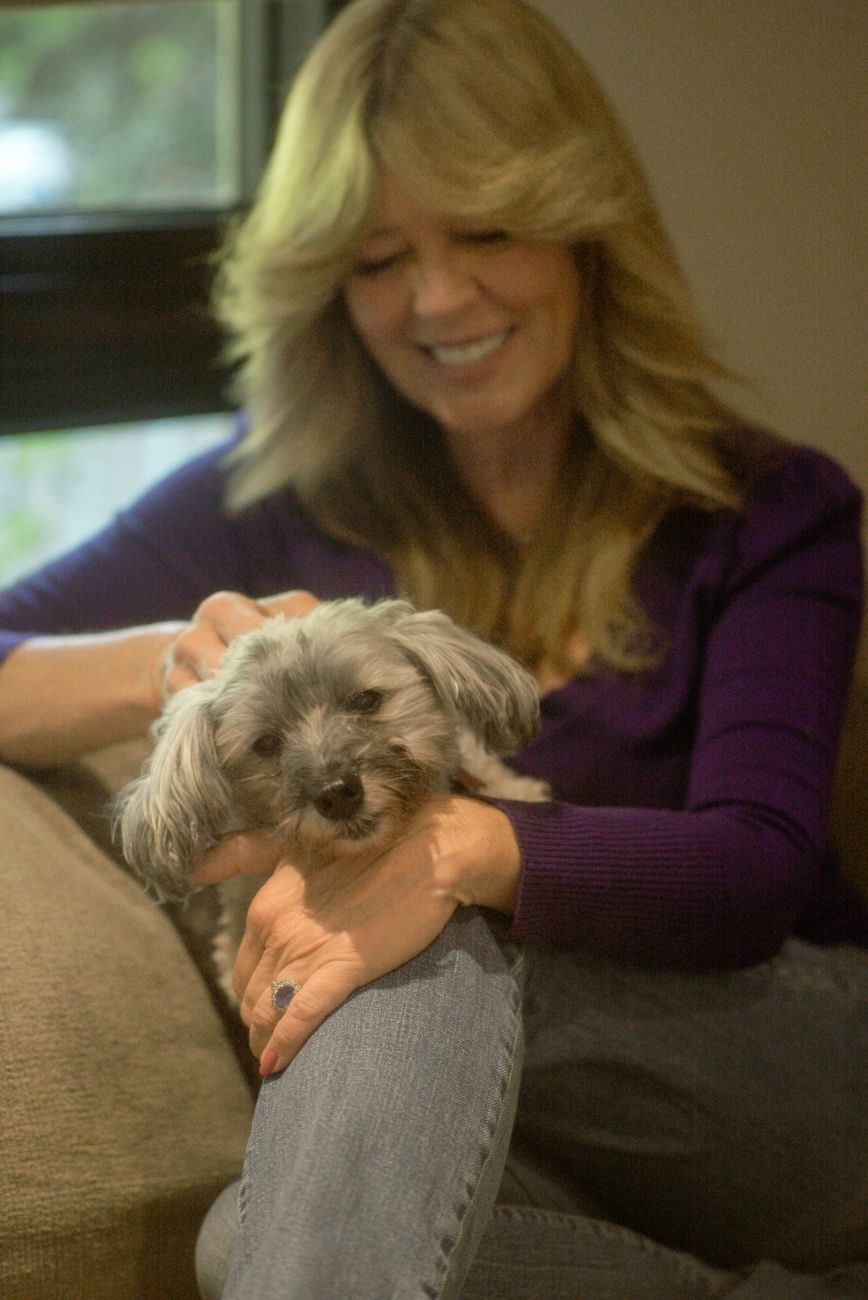

Today, Sullivan and Rowe are still pooling their creative talents.
“We get involved in some weird things,” Sullivan said.
One of the projects she’s excited about features a man who digs up shipwrecks for memorabilia, old photos, gold, and silver.
“We called him a pirate,” she joked. “We got a call from him one day, and he said, ‘I’m living in Cook Islands… We’re going to be bringing up these [polymetallic] nodules. I’d love to talk to you. It’s going to create a lot of jobs ultimately. It’s a pretty interesting business.’”
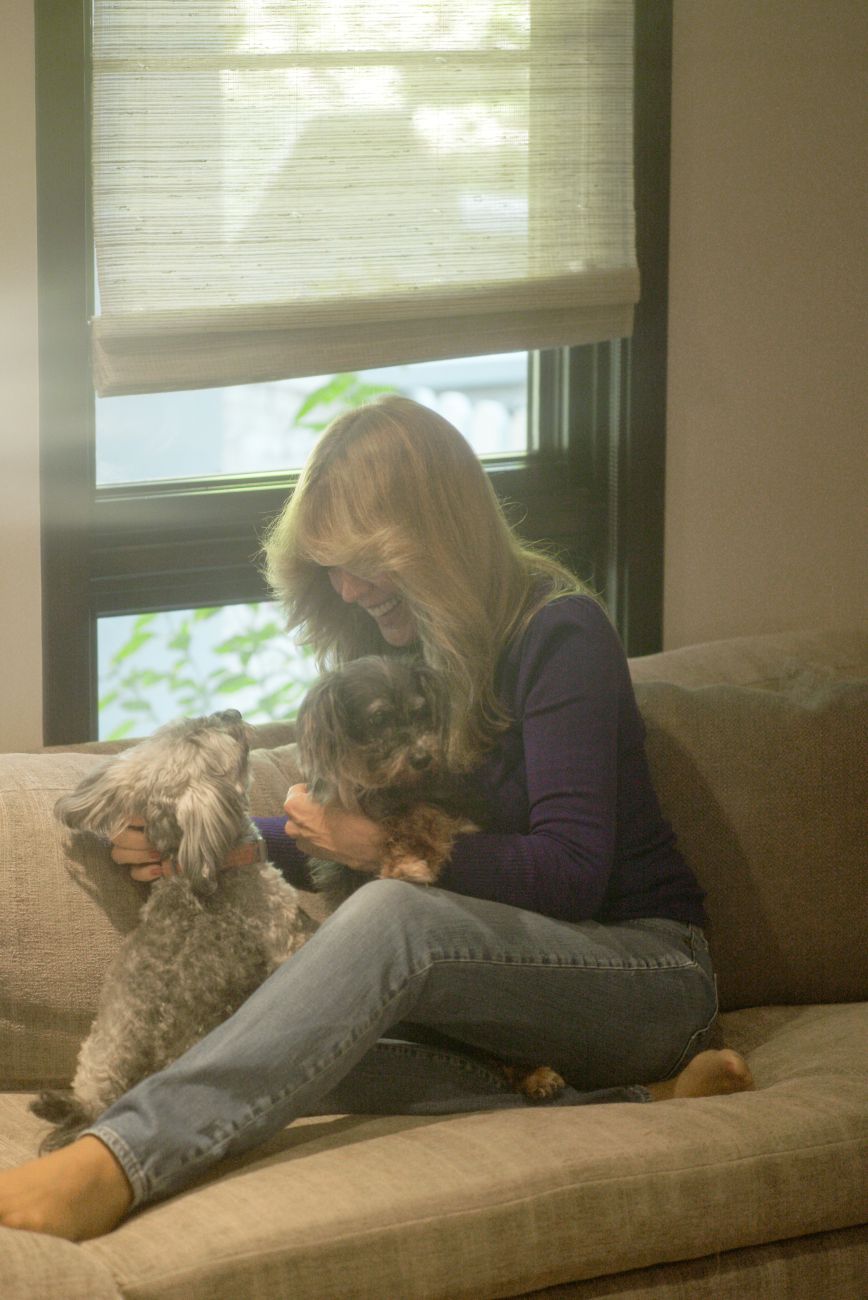
In between her work travels and busy schedule, she’s also keeping up with her three now-adult kids and squeezing in the occasional vacation or ski trip.
“I like traveling a lot and seeing places, and I do that a lot of times with the kids. We went to Prague and just everywhere,” she said.
But the last few years have been packed with managing the growing mikeroweWORKS scholarship fund, brokering brand partnerships, launching new programs, and highlighting hardworking Americans who keep the country running. She mentioned that she and Rowe are shooting a new show tentatively titled, America’s Gotta Do It.
“We’re highlighting people, companies, that are doing interesting things that are critical for America,” she said.
Though Sullivan is shy to sing her own praises, Rowe extolled her “uncanny instincts.”
“She’s a wife, a mother, she’s raised a beautiful family. She’s an extraordinary businesswoman,” he said. “I put her instincts against anybody’s.”


Whether it’s creating an ad campaign, negotiating contracts, supporting the trades, or serving as a wife and mother, Sullivan is tough as nails and a fierce advocate for her friends and family—all on the unique path she’s carved for herself.
“I’ve forced my way through, which is what I always tell kids when I talk to them,” she said. “Just do your best and just keep marching forward.”