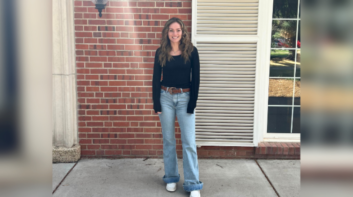



“My story is different from other detransitioners,” Jessi Harris told IW Features. “I’m 70 years old and I come from a different generation, and I did it for a different reason.”
Harris came out as a separatist lesbian in 1976 at 21 years old.

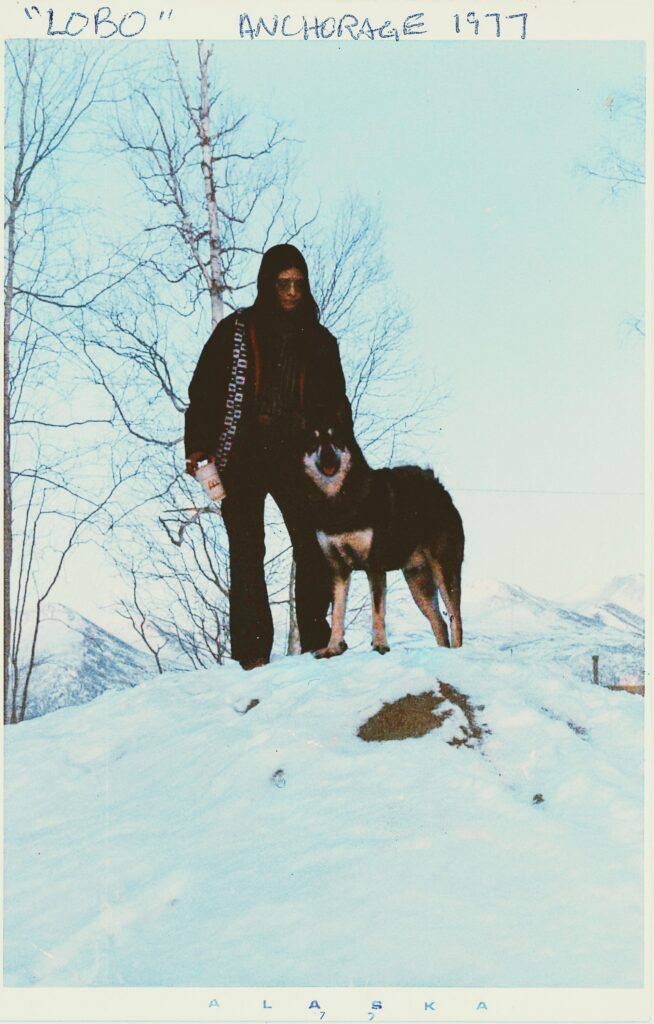
“We were on soapboxes fighting for equal rights, not special rights,” she recalled. As a masculine-presenting butch woman in the Pacific Northwest, she faced immediate consequences when people discovered that she was gay. “I was being evicted from housing and I was being denied jobs. Or once they caught on that I was lesbian, I got fired because of that,” she told IW Features.
But there were even more alarming potential consequences: “Lesbian mothers were having their children taken from them because we were considered unfit mothers because we were lesbian.”
As a mother to a daughter herself, she feared the worst.
“I was also with my second partner at the time who wanted to have a child. And I already knew what it was like to be a lesbian mom out in the open. I didn’t want people to come and invade our relationship. I didn’t want that ‘lesbian unfit mother’ thing to come along and give us grief,” Harris explained.
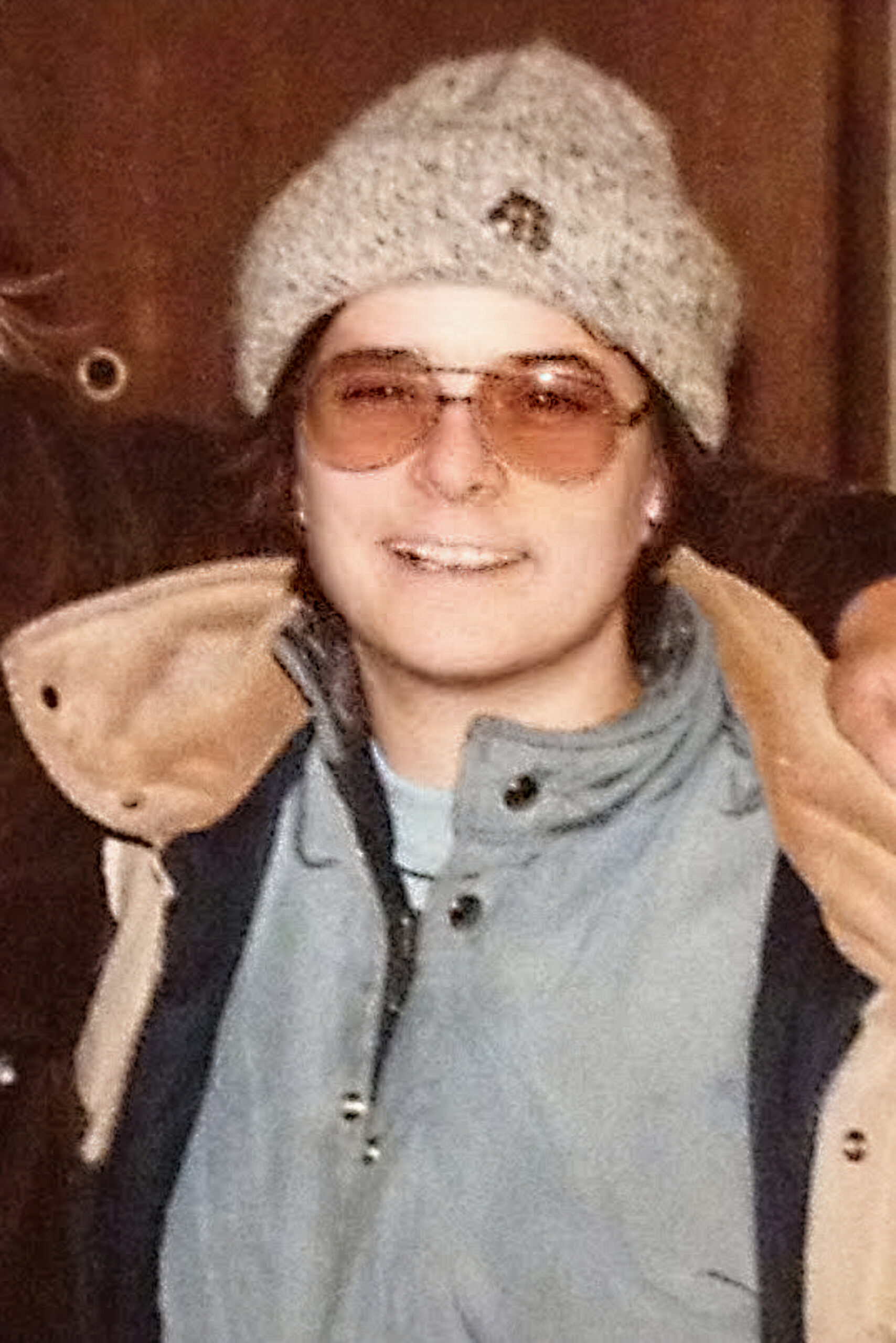
She and her partner decided that it would be safer to pretend not to be lesbians. “It seemed appropriate for me to present as a male so that people would see us as a straight couple and leave us alone,” she said.
In 1987, at the age of 30, Harris began living as a man full-time. The process for transition then, however, was nothing like it is today.
“There were huge gates and lots and lots of rules about going into transition,” she explained. “Practically none of those rules apply anymore.”
For example, Harris said that mental health counseling was required before she could be prescribed hormones. She had to prove she could hold a job and function in the world as a man before any further medical steps.
The only medicalization she ended up pursuing was testosterone, which she said amplified every sexual impulse in her female body.
“It is such a sex-driven hormone,” Harris explained. “I understand now why men get so obsessed over a woman and start stalking her because of testosterone.”
She added, “I became more intense around women. That’s not who I am without it.”
This is very different from the medical reality currently being sold to children. Puberty blockers, she noted, were never designed to “pause” puberty, no matter what proponents of youth gender medicalization currently say. Rather, puberty blockers were used for precocious puberty or, in adult males, to chemically castrate sex offenders.
“Puberty blockers don’t pause puberty. They stop puberty. Period. Stops it,” she said. “Kids on blockers don’t get puppy love. They don’t write their crush’s name on a folder. They miss the entire emotional scaffolding that teaches us who we are.”
Another difference between then and now, according to Harris: “I had to go see what it was like to be a man in real time, in real life. People [who identify as transgender] aren’t required to do that anymore.”
Harris worked as a truck driver and used men’s bathrooms discreetly, terrified of violence if anyone clocked her.
“I did have to use the men’s bathroom for 30 years,” she said. “I went in trying to be discreet, unnoticed, uncomplicated, just go to the bathroom, come back out again.”
For three decades she lived that way, raising children who knew her only as their father, doing her best to protect her family from homophobia.


“I lived in that costume for 30 plus years,” Harris said. “There were things that I could and could not do just because people perceived me as a male.”
Only after her children were grown did she begin the slow, quiet process of returning to herself.
Harris often hears the same inevitable question after she reveals that she lived as a man for more than 30 years.
“People go, ‘Why did it take you so long to detransition?’ And it’s because things got in the way. Life got in the way. All those things got in the way … I couldn’t disclose these things with 5-year-olds. I mean, that’s just not appropriate. So it had to wait … And now the children are grown up. And I still haven’t had that conversation with them.”
That very delay became the motivation for the book she spent 13 years writing. That, and the discovery while detransitioning that there were no resources for a woman who had lived so long in transition, she said.
“There were no resources for me that were age-appropriate for me,” she said.
Her book, DOWN THE RABBIT HOLE: An Elder Lesbian’s 30-Year Journey to Detransition, is now the resource she wished had existed—for older butch lesbians still trapped in identities that are not their own, for families navigating their children’s confusion, and for young, gay adults being sold the lie that medical transition is their only path to a safe, normal life.
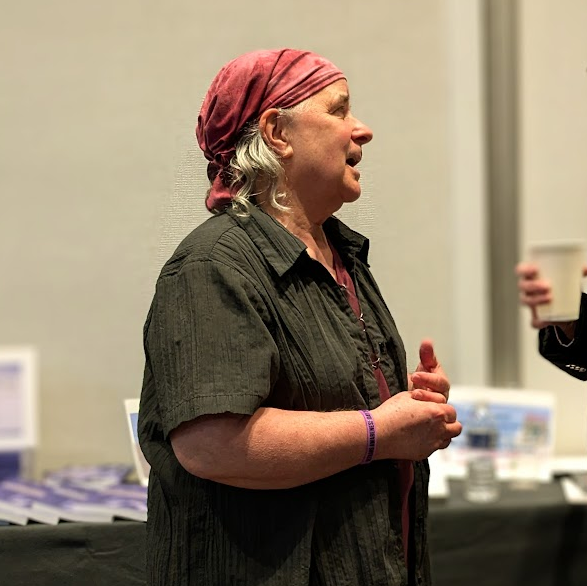
Harris said she wants today’s young people to have the freedom to grow up without medical intervention standing between them and their natural development. And she hopes that her audience takes away one simple message from her book: you do not have to medicalize same-sex attraction to survive.
If she could distill her advice for those battling gender confusion to one sentence, she told IW Features, it would be this: “Stop praying the gay away.”
“I don’t ever think I wanted to be a boy,” she emphasized. “I was not born in the wrong body.”