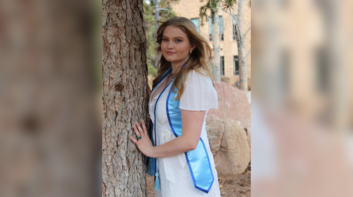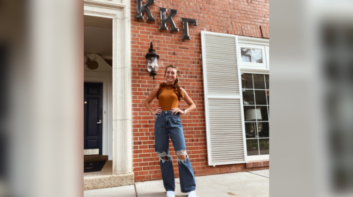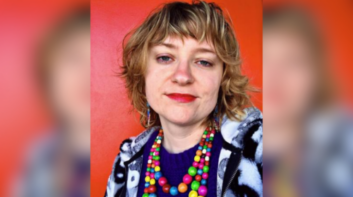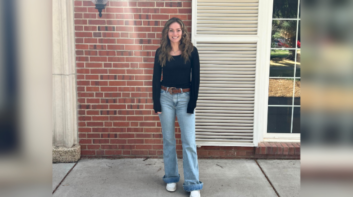


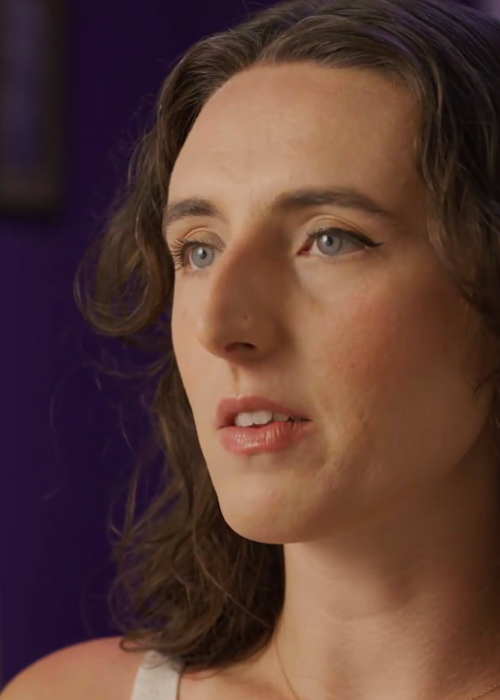

Maddie Durbin spent years trying to disappear. Not in the literal sense, as she still showed up to work, built friendships, danced, taught Zumba classes, dated, partied, and even crafted an entirely new identity for herself in Washington, D.C.’s queer activist circles. But underneath it all, she said she was trying to erase her femininity, and ultimately herself.
“I really just tried to make myself disappear in every single way,” Durbin told IW Features, “so that, well, for one, my parents couldn’t find me, but in a deeper psychological sense so that I couldn’t even find myself.”
After leaving home for college at American University in Washington, D.C., Durbin began identifying as transgender and started medically transitioning in July 2017 at 19 years old. She wanted to “do everything as quickly as possible,” she said. She legally changed her name to Maxwell, got on testosterone, and even underwent a double mastectomy.
Five years later, Durbin said an ayahuasca trip served as a spiritual intervention to bring her home to her femininity.
Today, she’s speaking publicly about what she lost, and what it took to come back.
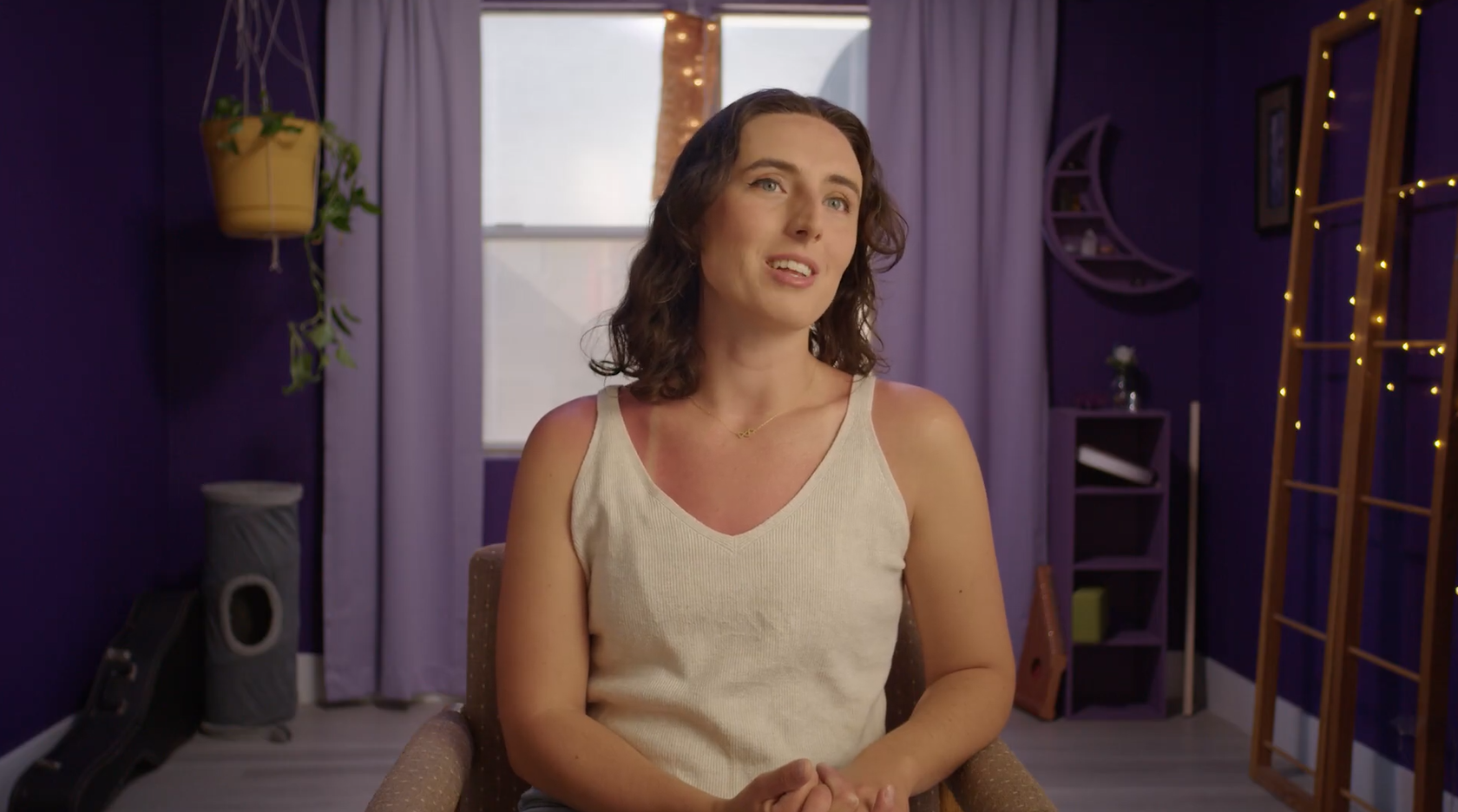
Durbin, like a growing number of young Americans, became embedded within the transgender movement after immersing herself in LGBT activism during high school and then college. Now detransitioned, Durbin looks back on the years she spent mired in gender confusion as a tragedy, albeit a predictable one.
Durbin grew up in a large Catholic family, the second oldest of five children. Born in Virginia to a Navy family, she moved repeatedly throughout her childhood before eventually settling outside Pittsburgh, Pennsylvania.
Durbin described herself as “a very emotional, highly sensitive child,” who grew very attached to friends and teachers. As such, moving from state to state intensified her anxiety, and she said she developed a deep attachment to stability––particularly to her own family unit, even while tension existed within the home.
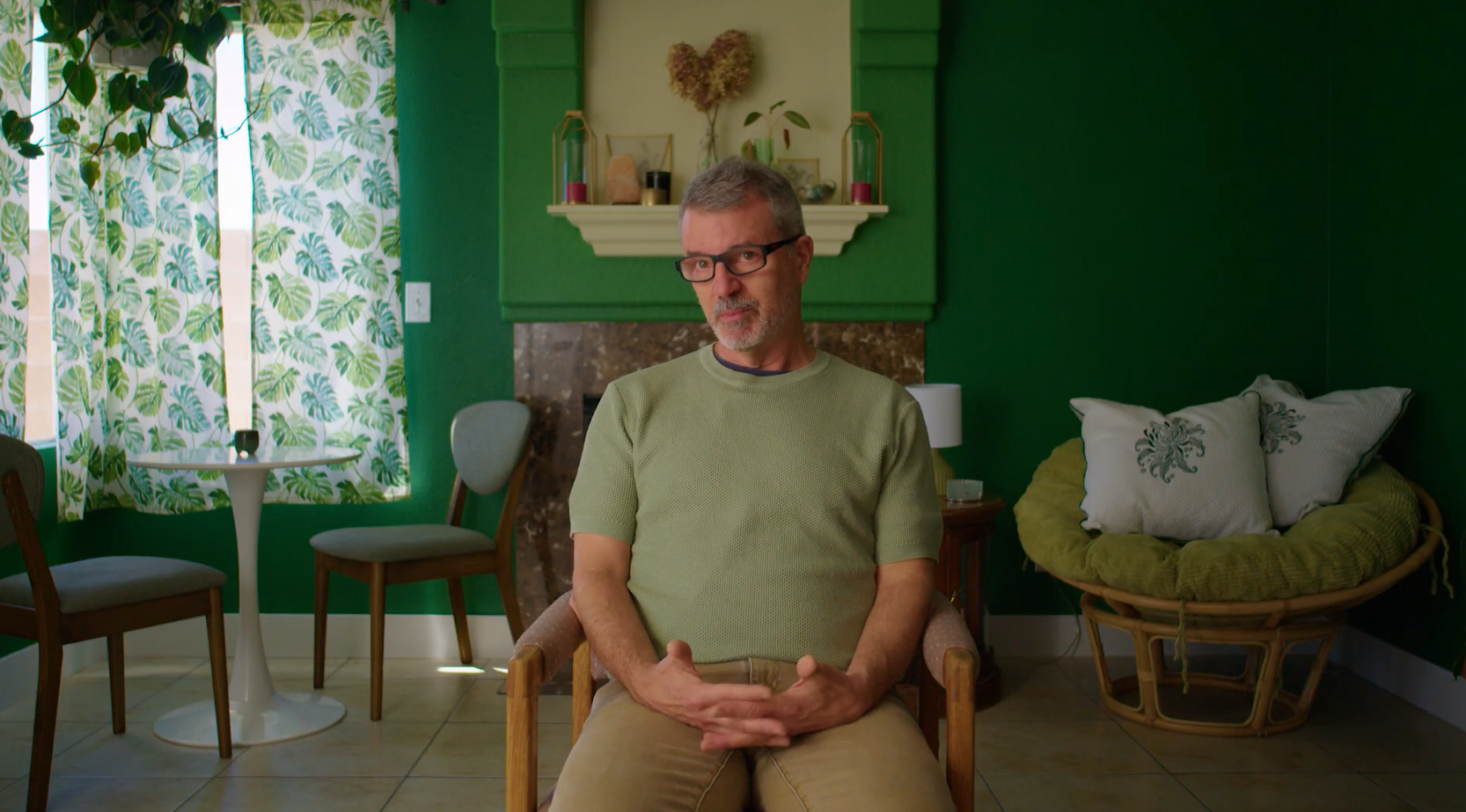
Her father, Liam Durbin, described Maddie as “very witty, smart, driven, and self-motivated,” adding that he had always considered himself to be close to her. That’s why it came as a total shock, he said, when Maddie began to drift away during her high school years.
What Liam Durbin didn’t realize at the time was that Maddie had found community by becoming heavily involved in LGBT activism. She joined her high school’s Gay Straight Alliance (GSA), later helping create a new “Gender and Sexuality Alliance” at the local library after the school club dissolved. While she initially identified as a bisexual girl, Durbin later began experimenting with nonbinary identities and pronouns.
At the same time, she watched as several female classmates adopted transgender identities and socially transitioned. And when one classmate returned from college having had a double mastectomy to affirm a transgender male identity, Durbin recalls all of the girls congratulating the individual and questioning their own “gender identities.”
At the time, Durbin said she wasn’t yet considering transition for herself––instead feeling comfortable as a “tomboyish” girl––but she saw herself reflected in the girls around her who identified as transgender.
Everything accelerated after she arrived at American University in 2016. Durbin quickly found herself immersed in a highly affirming LGBT environment. She formed a friend group immediately, made up almost entirely of queer-identified students. During this time, she also privately struggled with depression, chronic pain, isolation, and unresolved mental health issues.
“I felt very alone,” she recalled. “I lived in a dorm room, and I felt very insecure.”
So when she connected with an older female student who identified as transgender and worked at the campus coffee shop, Durbin said she began to feel less alone.
The trans-identified student had begun testosterone injections and openly discussed with Durbin how she had been medically transitioning without parental involvement. Durbin began dating her and “was so incredibly curious” about how this student managed to start hormones.
At the same time, Durbin met her campus’s director for the Center for Diversity and Inclusion, who also identified as transgender. She recalled seeking guidance from her, and said the director encouraged her and connected her to a D.C. LGBT health clinic: Whitman-Walker Health. There, Durbin said she was quickly placed on testosterone.
“I think I had maybe one appointment, and then I think I maybe had to see a therapist for one session, and then I was prescribed hormones,” she said.
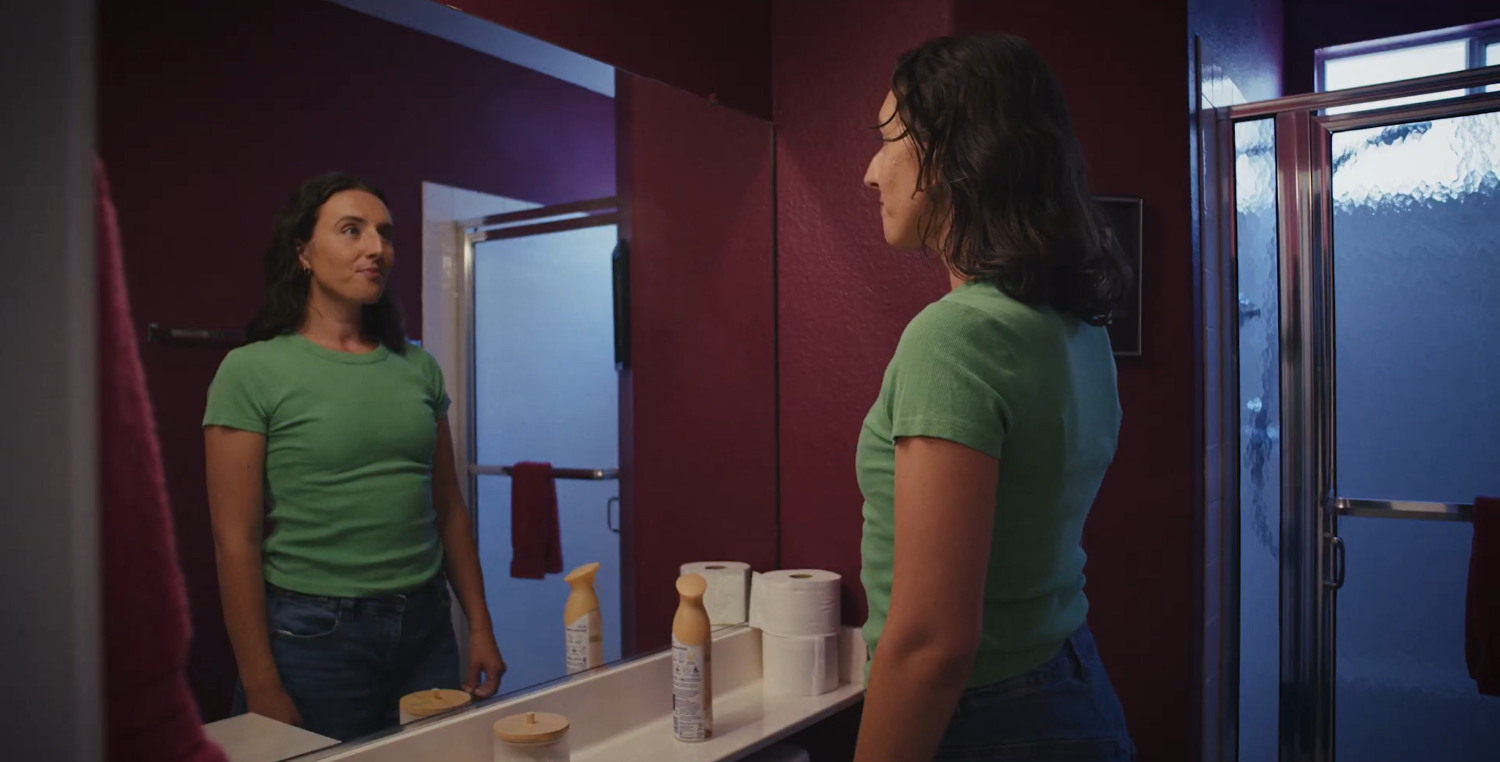
She began injecting testosterone weekly into her thigh, and at first, Durbin said the experience felt euphoric.
“Everything felt really good,” she recalled. “I was applauded and celebrated by all my friends for starting hormones.”
The physical changes happened quickly: her voice dropped within weeks, she gained muscle and energy, and said she increasingly passed as male. But while the external transformation was full steam ahead, Durbin’s relationship with her family collapsed.
Durbin said she intentionally hid her medical transition from her parents while remaining on their insurance. Then, after legally changing her name to Maxwell in November 2017, she finally clued them in.
“I called my mom and my dad the next day and told them, ‘Hey, I’m actually a man, and this is what I’m doing, and you can’t change my mind,’” she recalled telling them. “And this was coming from a place of hurt and anger.”
Liam Durbin said he learned of Maddie’s new identity when she changed her social media profiles to reflect her new name. But he still felt “totally unprepared” for the conversation with her that followed.
“She sounded very rehearsed and mechanical, using the same phrases over and over, like if we didn’t accept her for who she is, then she’d have to cut us out of her life,” Liam Durbin recalled. “I know now those are phrases you learn online.”
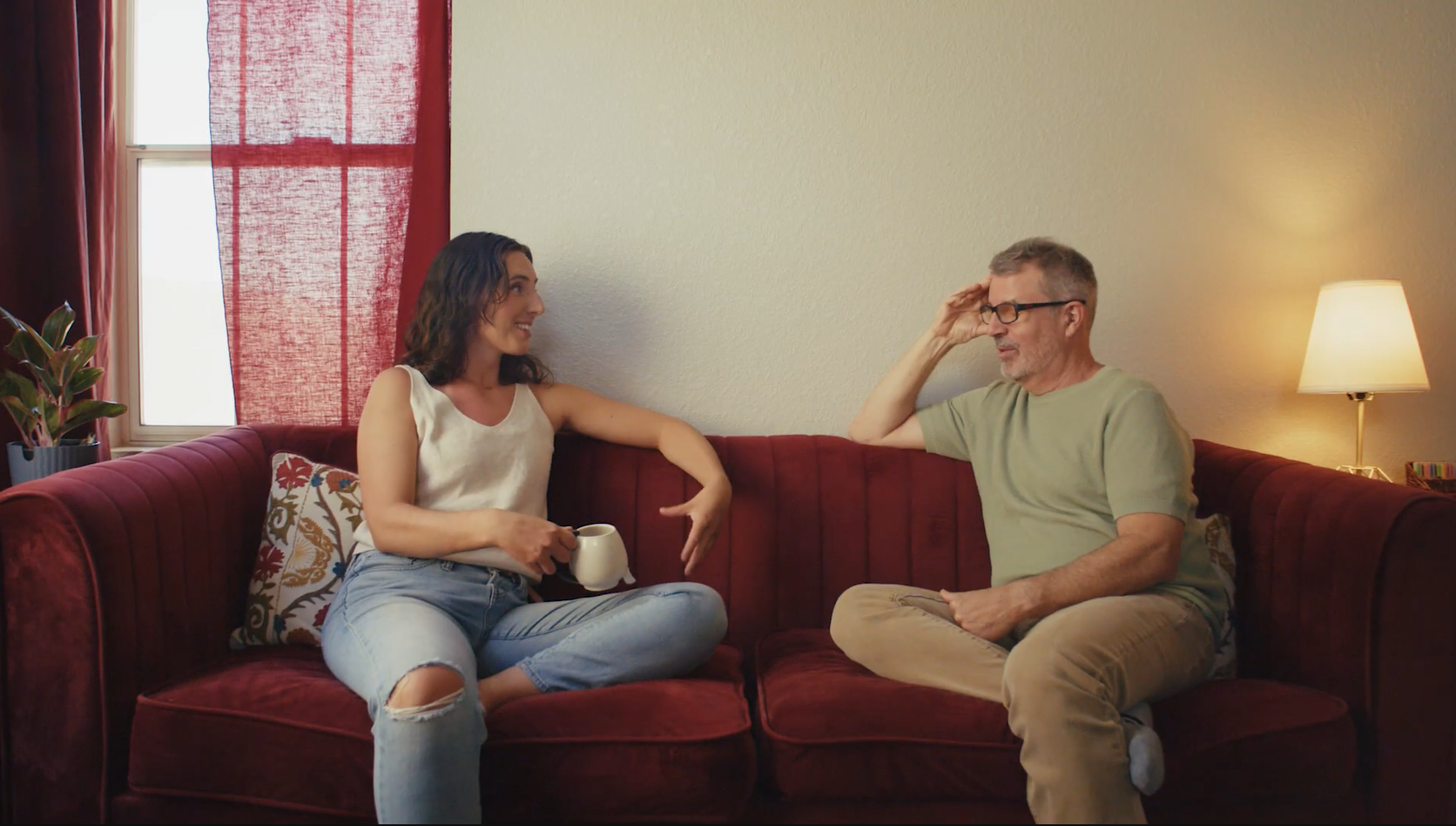
Liam Durbin said he realized he wasn’t going to be able to talk Maddie out of her transition, so he tried to “slow her down,” urging her “not to do anything drastic.”
Maddie recalled her parents trying to show her videos of people who detransitioned and medical research to hopefully prevent her from making any life-changing decisions.
“But me being in the mindset that I was in and the influences that I had around me, I perceived all of that stuff to be transphobic and hateful. So I didn’t read any of it. I didn’t look at any of it,” she admitted.
“I wanted to sever that relationship,” she continued. “I used the transition and their reaction to it as a reason for me cutting them out of my life.”
So at just 20 years old, Maddie Durbin cut off contact with her parents completely, changed her phone number, dropped out of college, and moved in with another trans-identified partner.
Liam Durbin didn’t hear from his daughter again for six years.
Looking back, Liam said he believes he did everything he could to try and reach Maddie and protect her from the path she had chosen. He and his wife drove to Washington, D.C. where she was enrolled in college to try and speak with her in person, but a friend of Maddie’s intervened and called campus police. Durbin then reached out to his insurance provider to ensure that his consent would be required if Maddie sought to use his insurance to cover her medicalization.
His goal, he reiterated, was to “slow down” Maddie before she could do something she couldn’t come back from.
“We thought about calling someone to go abduct her,” he added. “I’m serious, parents going through this think those things because it’s the hardest thing in the world to watch, and you feel so helpless.
“But in my heart I knew it wouldn’t last, I knew she would come out of it eventually,” he said. “But the stubborn person she is, I worried it would be after the permanent effects.”
Unfortunately, in June 2018, Maddie underwent a double mastectomy at Howard University Hospital after receiving referral letters through Whitman-Walker. The surgeon, Maddie Durbin said, barely questioned her.
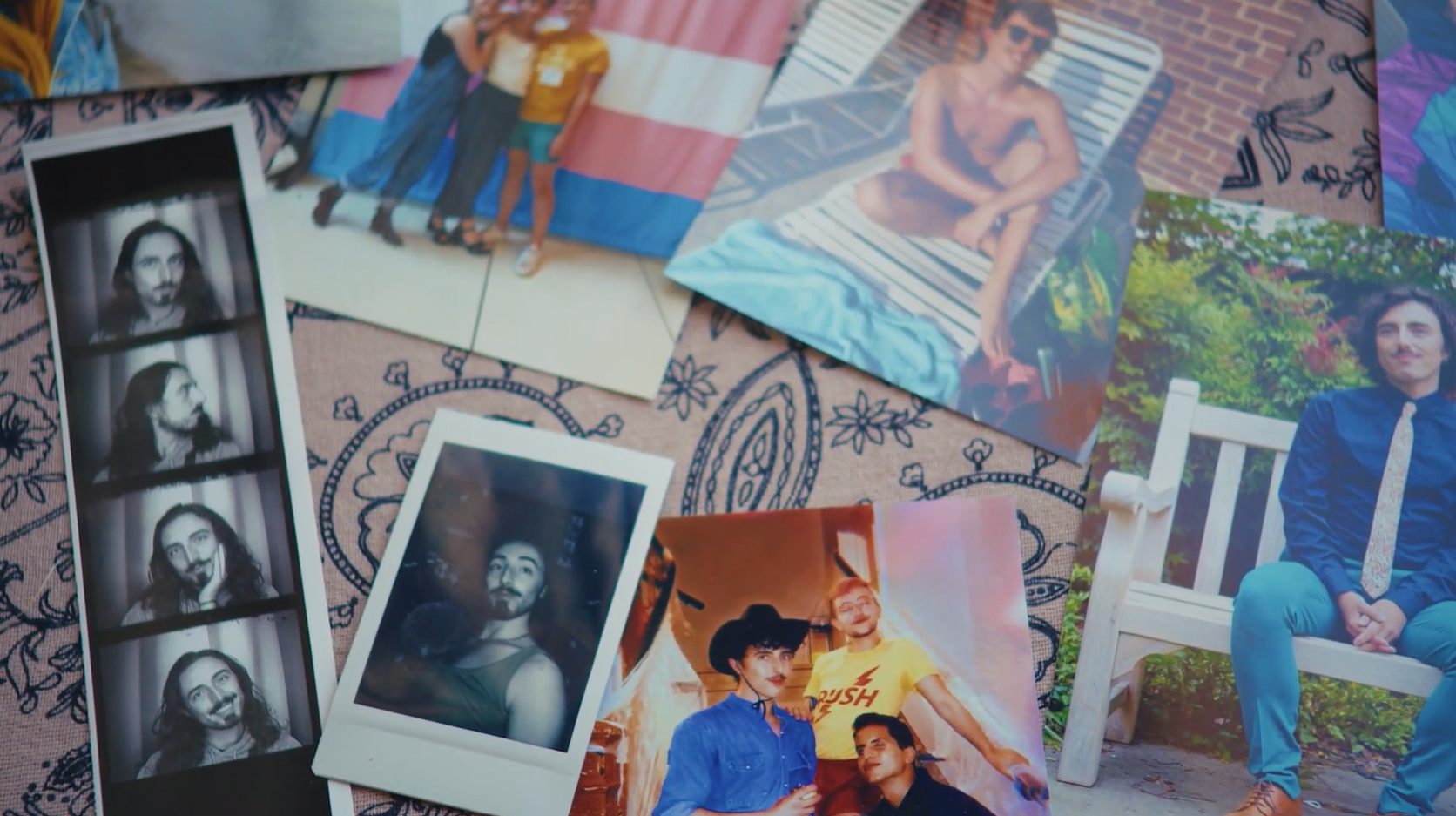
Recently reviewing her medical records, Durbin was horrified by how her healthy breasts were described by these medical practitioners.
“They described my breast as almost like it was a mistake that I needed corrected,” she said.
The surgery was “very painful,” she said, but became another blur in Durbin’s increasingly dissociated life. Yet within weeks, she was already pushing herself to return to parties, social events, and exercise classes while still healing from bloody surgical wounds.
According to Durbin, she’s not the only one who treated surgical transition this way.
“It’s treated so callously in the trans community,” she said. “Most people that I knew did not give themselves enough time to recover.”
For years afterward, Durbin continued to live as “Max,” a masculine, androgynous identity that brought her social validation. She recalled feeling good about the compliments people would pay her on her appearance. But underneath her aesthetic transformation, Durbin’s deeper emotional pain never disappeared. Instead, she buried the pain with alcohol, cannabis, and hookups.
“I was always dating, always hooking up with people and just living this lifestyle that I thought was fun, but had no real meaning to it,” she recalled.
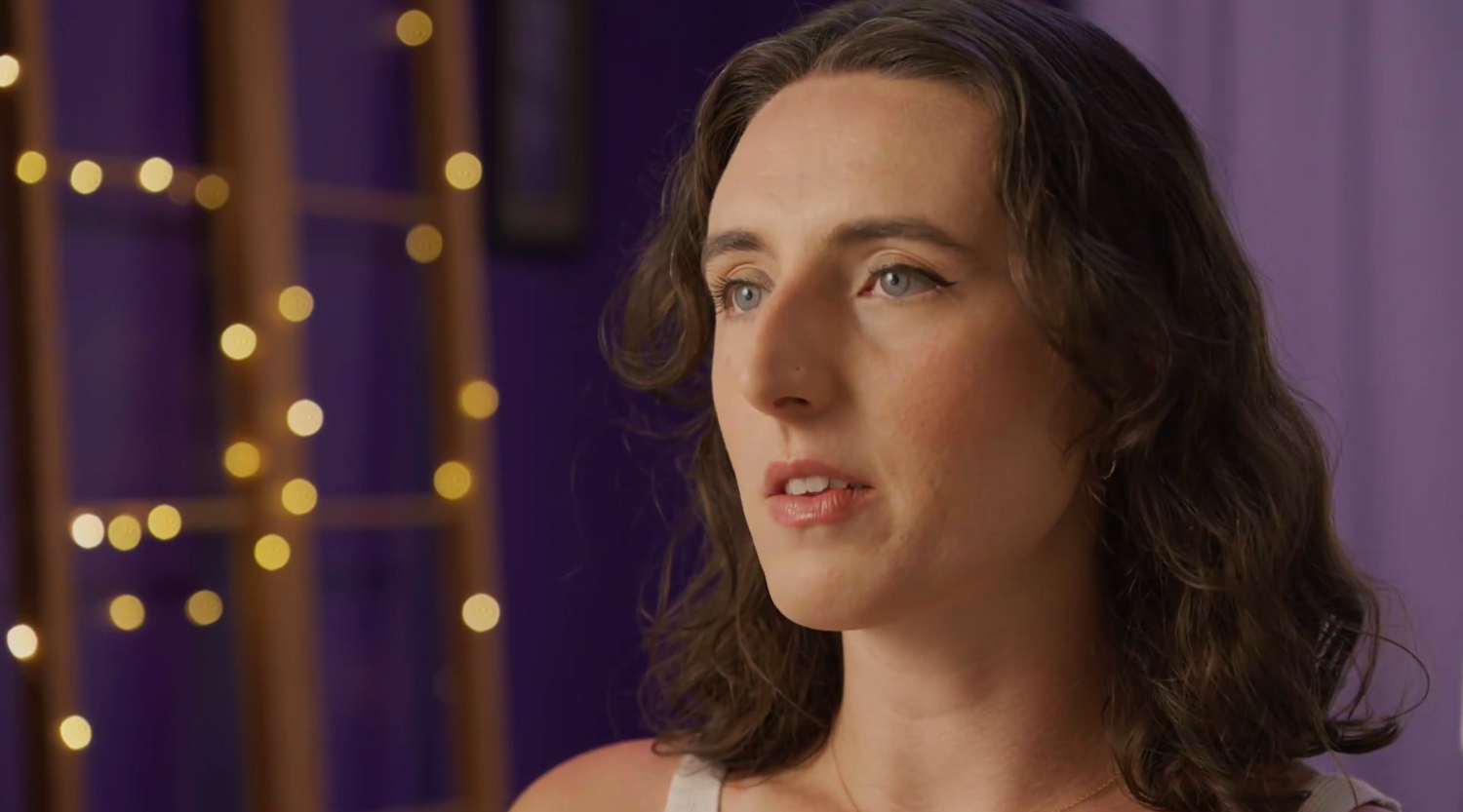
By 23, cracks began to form in the narrative. Durbin had entered a relationship with another gender-confused individual––a woman who identified as nonbinary––and something about their relationship unsettled her own understanding of herself.
“We both observed this,” she recalled. “Why does it feel like we’re just best friends? Or why does it feel like we’re just like sisters?’”
It was around this time that Durbin admitted aloud, for the first time, that she regretted her mastectomy, after years of avoiding looking at her scars in the mirror. Her physical pain had worsened, her fatigue returned, and her depression remained. And then came a realization that no therapist or doctor had ever given her.
“Maybe my depression was not caused by an inherent chemical imbalance in my brain,” she recalled thinking, “but perhaps I had gone through some trauma that had affected my brain in a way that was healable.”
By spring 2022, she began researching trauma, spirituality, and alternative healing techniques. She stopped drinking, and that July, she began tapering off testosterone after five years of injections. Two months later, she moved across the country to Las Vegas.
The day after her 25th birthday, Durbin’s period came back.
“It just felt like this incredible gift,” she said of her returning period.
Still, fully detransitioning took longer emotionally. While her body was changing, she continued living socially as a male, confused about who she was becoming. After all, her facial hair hadn’t gone away, her chest was permanently flat, and her voice remained deep.
Then, during an ayahuasca ceremony in November 2023, more than a year after she began tapering off testosterone, Durbin said everything finally collapsed.
“I came to the ceremony with just one question, which was, ‘Why am I in so much pain?’” The answer was presented to her very clearly: “‘You’re a woman.’”
For Durbin, this realization was devastating.
“I had to accept that I had actually forgotten that I was a woman,” she admitted.
At the end of the night, when each participant introduced themselves and shared their experience, Durbin said she didn’t introduce herself by name because she didn’t know what to call herself anymore.
“Am I ever really going to feel like a woman again?” she recalled asking herself, reflecting on the visions she saw of herself during the ayahuasca trip where she looked like a woman. “I wasn’t sure are these visions of myself that I’ve missed out on? Is this what I’ve lost or is this who I am yet to become?”
Now detransitioned for nearly three years, Durbin still lives with permanent consequences from medical transition. Her voice is still deep, she experiences chronic leg pain she believes is connected to testosterone use, and the scar tissue from her mastectomy still causes pain.
“And of course,” she added, “I’ll never have my breasts back.”
But Durbin said she no longer wants additional surgeries—not even to fix what was broken.
“Can I love myself with all these choices that I’ve made, the hurt that I’ve caused myself, and can I admit it to the world?” she recalled asking herself. Her answer was that “the only way to go forward was to be fully honest with myself and to choose love for myself.”
For his part, Liam Durbin never stopped loving his daughter. And in July 2023, after nearly six years of estrangement, he finally had the chance to tell her that.
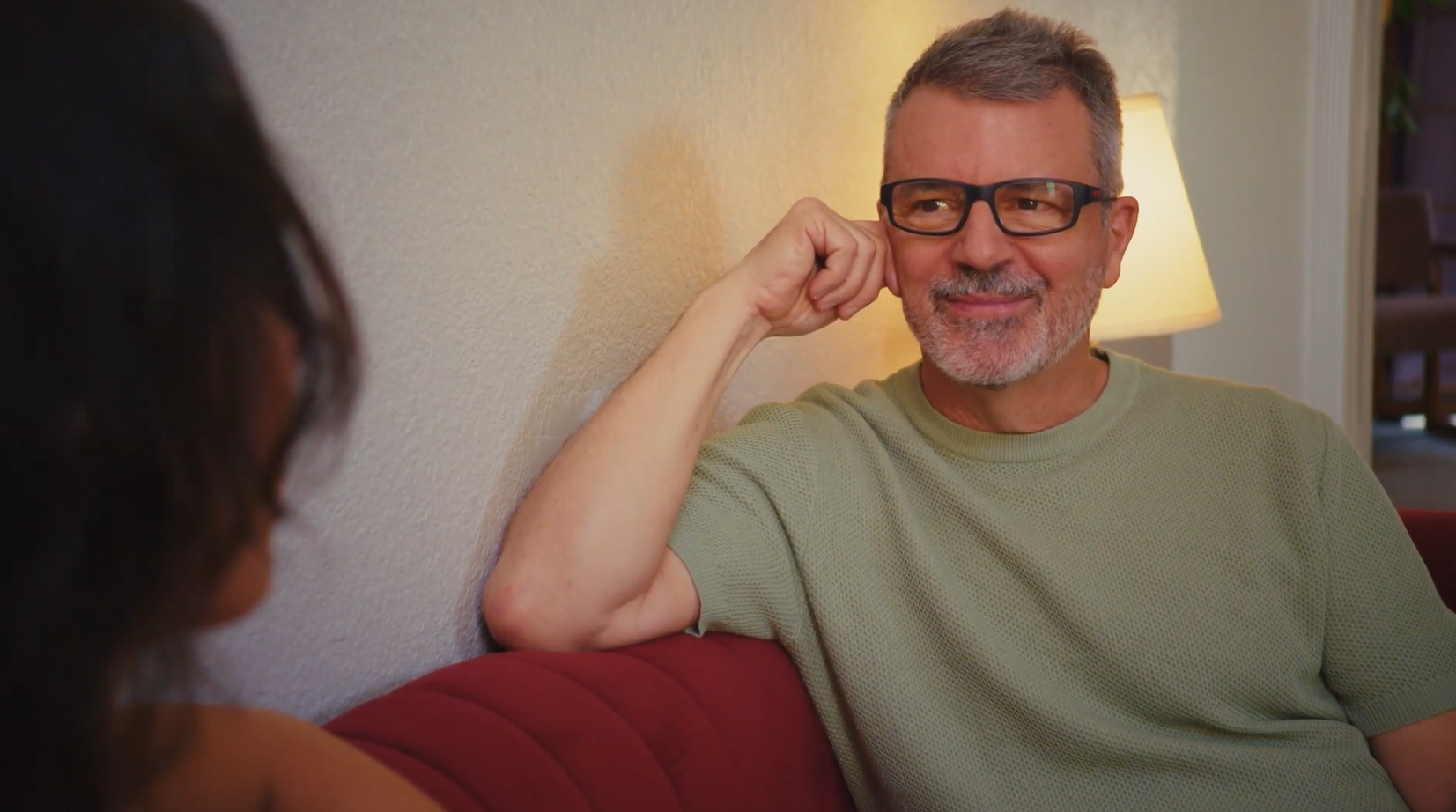
“She called me when I was driving, and I was crying so hard it was hard to drive. She said she wanted to be part of the family again, and help getting on her feet again,” he recalled.
Both Liam and Maddie said their relationship is healing, and Liam said his role now is to support her while still standing firmly by what he has believed all along: that she has been and always will be Maddie, the beautiful daughter that he will never stop loving.
“I’m not going to lie to her, but that doesn’t mean I’m going to tell her everything I’m thinking either,” he said. “These days, I do a lot of listening.”
“I did not try to encourage her to do anything other than talk to me when she came back,” he continued. “It wouldn’t have bothered me if she told me she was gay or still sympathetic to the transgender cause. I would have been OK with everything as long as I got my daughter back.”
The hardest part of mending his relationship with Maddie, Liam said, is feeling like he didn’t do enough to save her from gender ideology, but also not knowing what more he could have done.
“I wish I could get my daughter her self back. It doesn’t give me any satisfaction to know that I was right,” he said. “I wish I had done something more. If I could back it up, I would have gotten her out of American University, taken her phone away. If I needed to move to a new town, I would have. I wish I had figured it out.”
Last year, Maddie returned home for Thanksgiving for the first time since leaving for college. Liam said he watched his family sitting together and thought back to the years after receiving that earth-shattering phone call from Maddie in 2017, and how they had felt so “lonely,” “helpless,” and “distraught.” And seeing his family together again, he felt hope for the first time in a long while.
“I know the day will come where I can say I don’t think I was a bad dad,” Liam said. “And that I just tried to love her the best I could.”
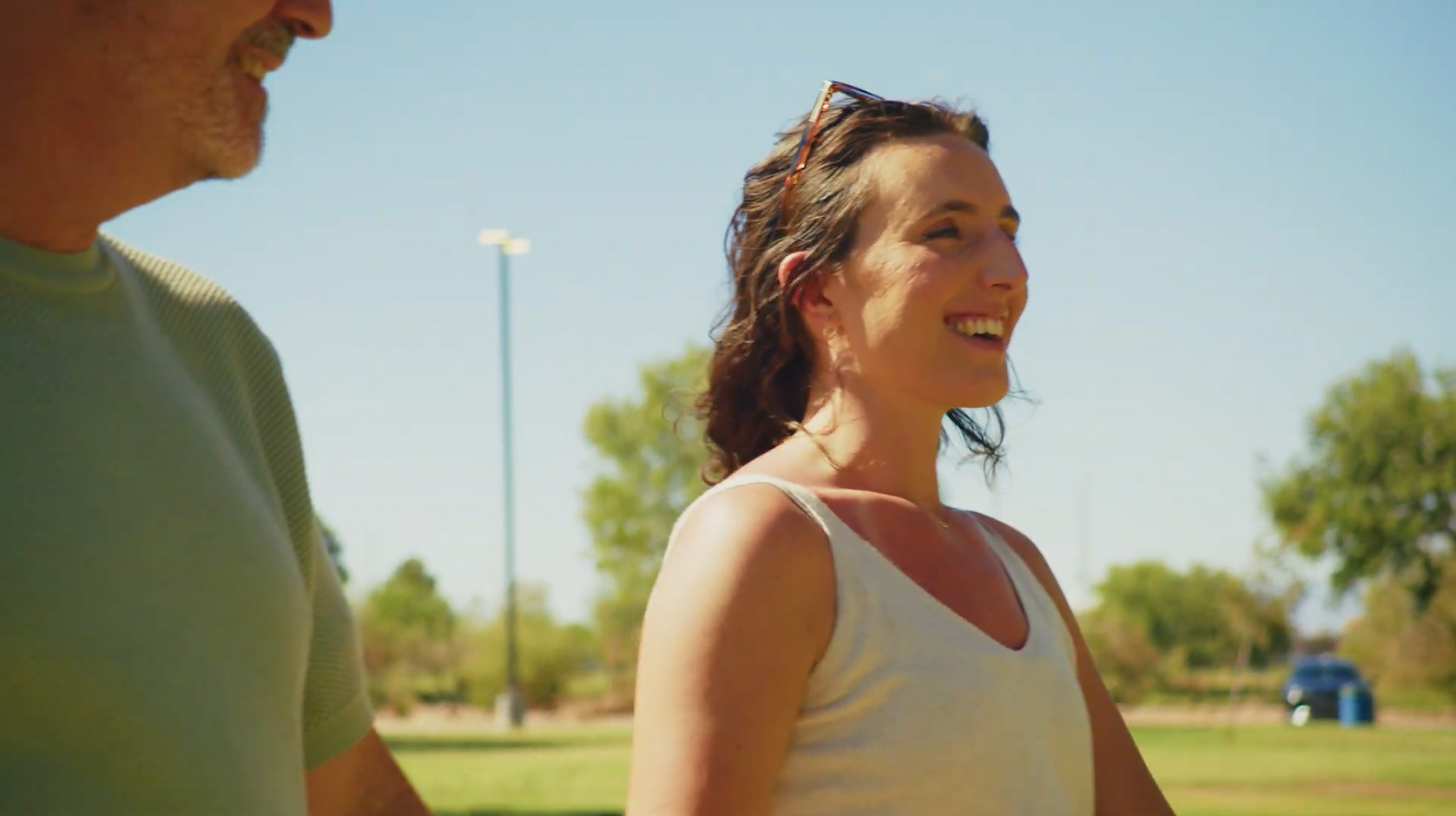
For her part, Maddie Durbin said she hopes speaking publicly can help other young women avoid the same path and its consequences.
“I really do hope to help, especially young people, especially young women, to learn how to love themselves as they are,” she said.