


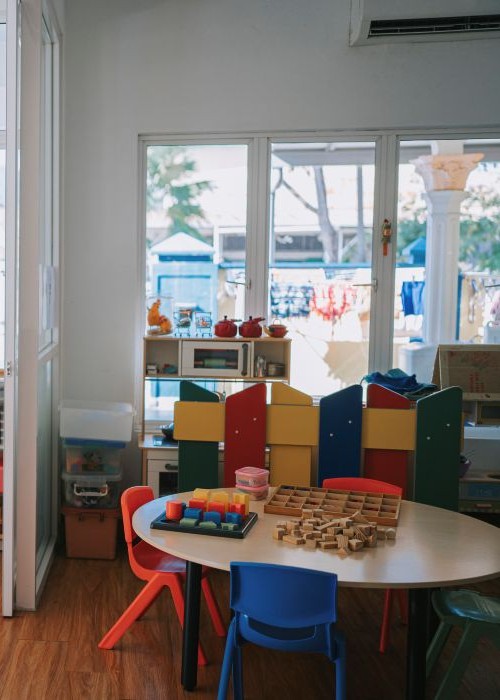

Inspired by the citizen journalism of Nick Shirley, who uncovered alleged massive fraud in Minnesota involving publicly funded daycares that were empty, IW Features launched its own investigation into childcare facilities in California and discovered troubling parallels. I found irregularities in state inspection reports showing visits from state inspectors to some of these daycares where up to 27 children were enrolled but no children were actually present.
Working alphabetically through the state’s Community Care Licensing Division database, I found a recurring pattern across multiple facilities that reported high enrollment counts on paper while state inspectors repeatedly found zero or very few children present during unannounced visits. The inspection reports are official state records, and the findings are drawn directly from those documents. These operations are “ghost daycares,” where in some state documents not only were there zero children present, but inspectors also cited facilities for not having child enrollment records, emergency contact information for parents, and missing infant sleep logs.
The Department of Health and Human Services (HHS) funds a program known as the Alternative Payment Program, also referred to as Stage 2 Childcare. This childcare benefits program allows eligible parents to select a licensed childcare provider that best fits a family’s needs.
In San Diego, this program is administered by two contractors: Child Development Associates (CDA) and the Young Men’s Christian Association (YMCA). CDA and the YMCA disburse funding from HHS and the state of California directly to designated childcare providers. In administering the program, CDA and the YMCA require verification forms to be completed by the parent and the parent’s employer and/or school. Nearly all of CDA’s revenue originates from government funding, and its total budget has grown from roughly $110 million to $222 million in recent years as federal subsidy programs expanded.
Prior California prosecutions reveal that concerns about potential fraud in this program are not theoretical. In the federal criminal UMI Learning Center case, operators were convicted in a $3.7 million fraud scheme that involved falsified attendance records and kickbacks to parents.
In 2024, Mohamed Muriidi Mohamed, the president of UMI Learning Center in San Diego County, was sentenced to 27 months in prison and ordered to pay $3.7 million in stolen childcare benefits. Muriidi and his three co-defendants fraudulently caused CDA and the YMCA to pay out millions in childcare benefit program funds by falsely verifying that parents were working or attending school at the UMI Learning Center, a vocational and language school located on University Avenue, although the parents were not actually participating in classes or employment as claimed.
As part of the scheme, Muriidi also issued paychecks to make it appear that the parents were working at UMI but told the parents not to cash them. Meanwhile, childcare providers submitted daily attendance forms falsely claiming that childcare was provided for days and hours when the parents were supposedly at UMI Learning Center for work or school. In exchange for these false verification forms, parents were expected to pay $200 to UMI Learning Center each month, and the childcare providers were expected to split the childcare benefit program funds they received with the parents. The defendants’ scheme caused CDA and the YMCA to fraudulently pay out $3.7 million in childcare benefit program funds to approximately 150 households.
“These defendants stole money intended to provide safe care for children of working parents,” said U.S. Attorney Tara McGrath. “The U.S. Attorney’s Office is committed to safeguarding government funded programs like this one, so families can better manage the heavy burden of childcare expenses.”
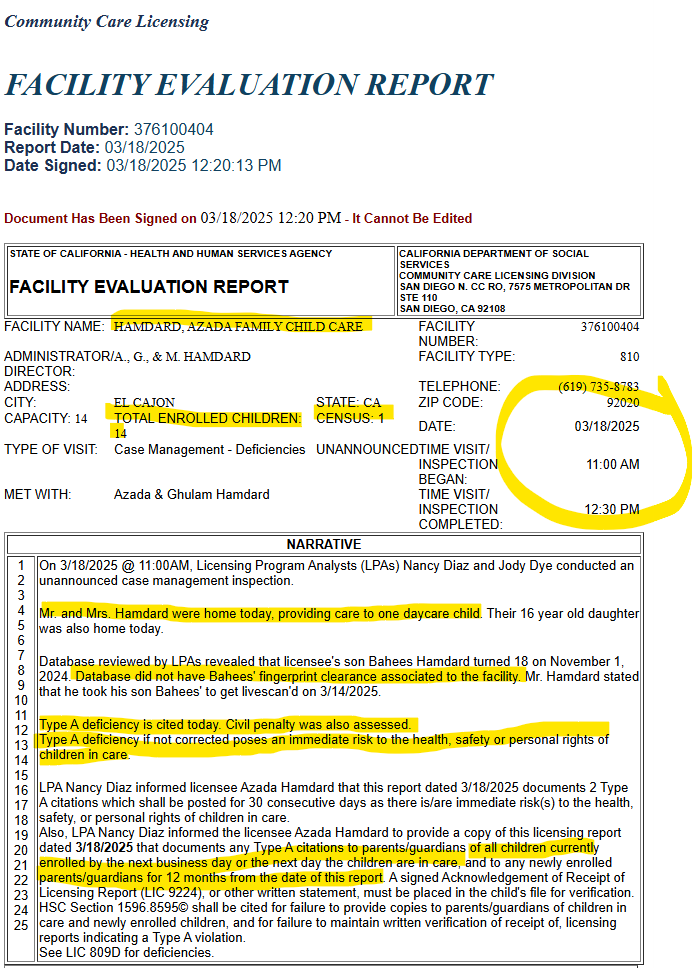
My review of inspection records shows this same scheme may be playing out once again—but at a much larger scale. I found repeated discrepancies between reported enrollment and observed attendance during unannounced visits from California state inspectors. Among the documented examples is Hamdard Azada Family Child Care, where two separate unannounced inspections within a month found no children and no staff present despite recorded enrollment.
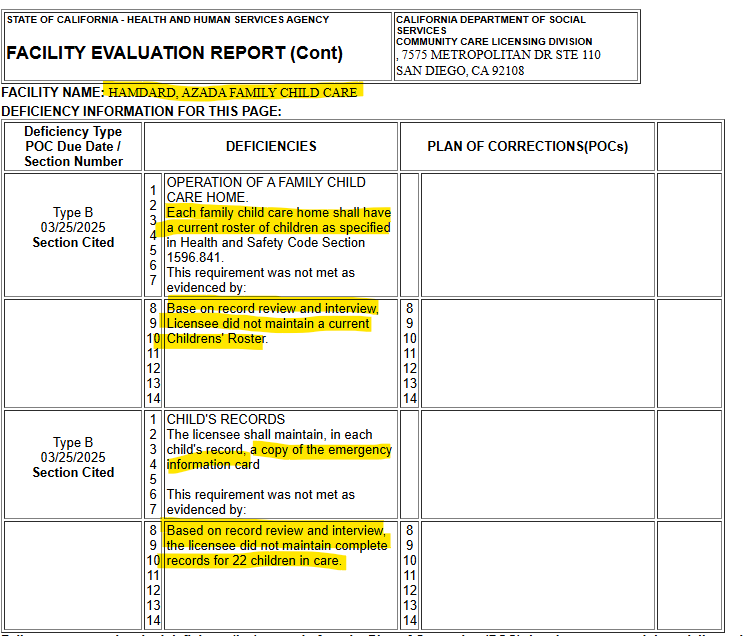
During an unannounced visit on March 18, 2025, inspectors found 14 children listed as enrolled at but only one child present, including one infant. The inspection also documented serious violations: infants sleeping on floors and pillows, no cribs or play yards, no individual infant sleep plans, no required 15 minute infant safety checks, an uncleared adult living in the home without a background check, no current children’s roster, and incomplete records for 22 children, including missing emergency contact information.
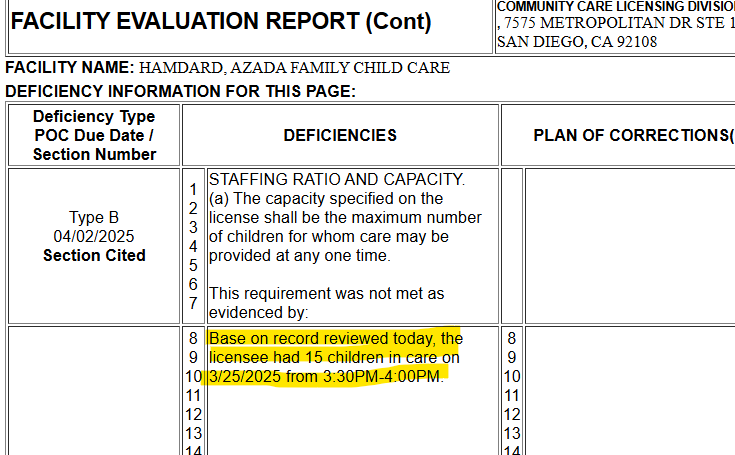
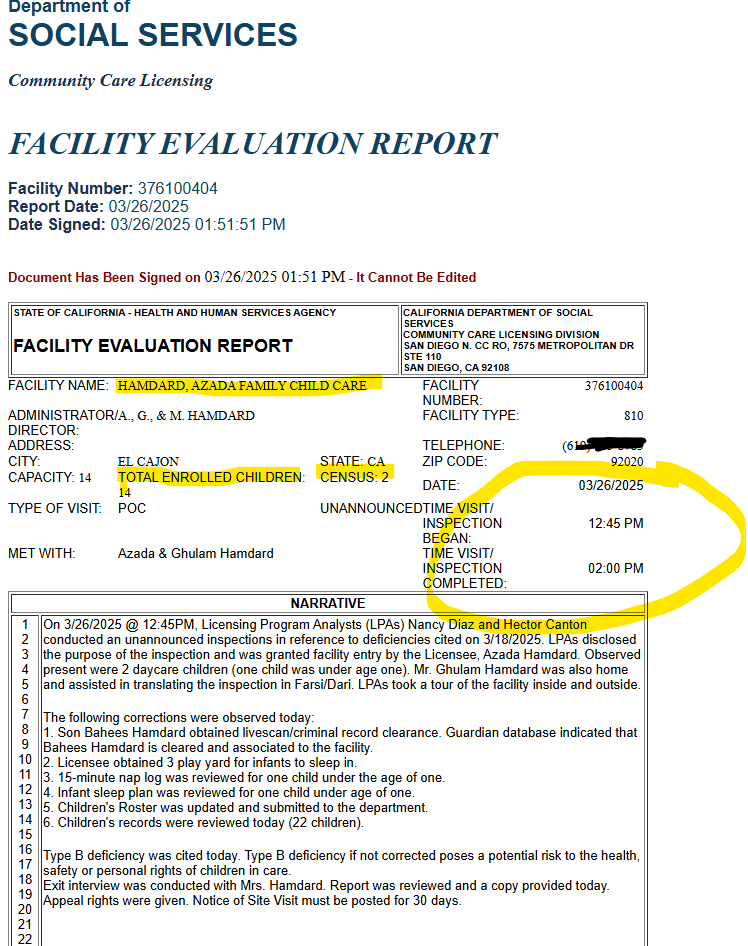
When inspectors returned unannounced eight days later on March 26, only two children were present, again with one infant in care. The only evidence of full attendance came not from observation, but from paperwork. The licensee provided records claiming that 15 children were present the previous day for a 30 minute window when inspectors were not there.
The policy environment that allows this practice to continue is rooted in pandemic era rules that state leaders extended into 2026. California continues to reimburse providers based on enrollment levels, not actual attendance. The program was designed to stabilize childcare businesses during shutdowns, but in practice it allows providers to receive full or near full payments even when few or no children are attending. These payments are direct reimbursements funded by taxpayers, not credits or deferrals.
I have also heard from whistleblowers who say some parents enrolled in subsidized programs seek providers willing to share a portion of the subsidy as a kickback, keeping children listed as enrolled on paper while alternative arrangements are used or no formal care is provided at all. One such whistleblower told me parents will “shop” for facilities that are willing to share payments, and in one case they threatened to withdraw a child unless they received a portion of the funds.
Efforts to track where the money goes encounter structural barriers. Although public agencies ultimately fund the system, the intermediaries that administer payments operate as private nonprofits and claim exemption from public transparency laws. Both the YMCA and CDA denied IW Features’ requests for reimbursement records, stating that as private contractors they are not subject to disclosure obligations that would apply to direct government agencies.
Moreover, there is no statewide public database showing how much money individual childcare providers receive through the program, making it difficult for taxpayers or journalists to trace funding patterns or identify anomalies. For example, following my publication of inspection screenshots and findings, individuals contacted me to let me know that a directive was going to be issued by Gov. Gavin Newsom’s office about limiting public access to inspection records by disabling search fields.
San Diego’s “ghost daycares” align with a wider pattern now drawing attention at the federal level: the flagrant abuse of taxpayer dollars in programs rife with fraud. On Jan. 5, 2026, the U.S. Department of Health and Human Services announced plans to rescind Biden-era rules requiring states to pay providers based on enrollment rather than attendance, citing an elevated risk of waste, fraud, and abuse. The following day, President Donald Trump and HHS temporarily froze portions of childcare funding to California and several other states pending further documentation and justification, while federal officials investigate potential misuse and payments to ineligible recipients.
Taxpayers deserve to know where their money is going. And if blue state officials won’t give them answers, the federal government will have no choice but to extract them.