

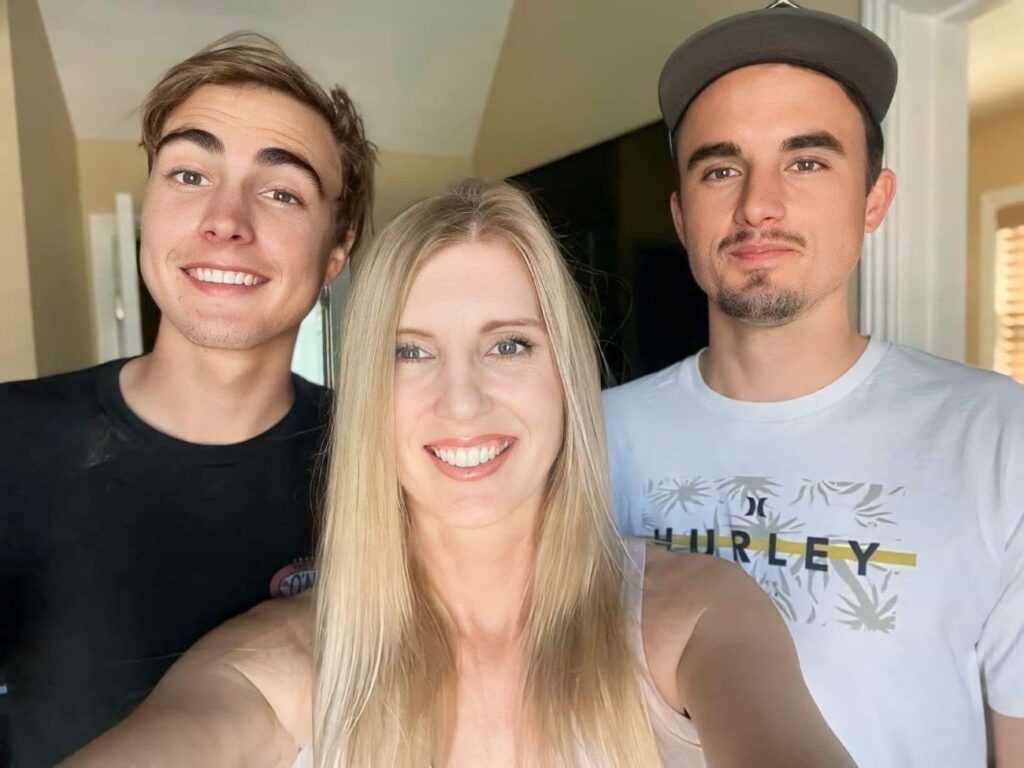
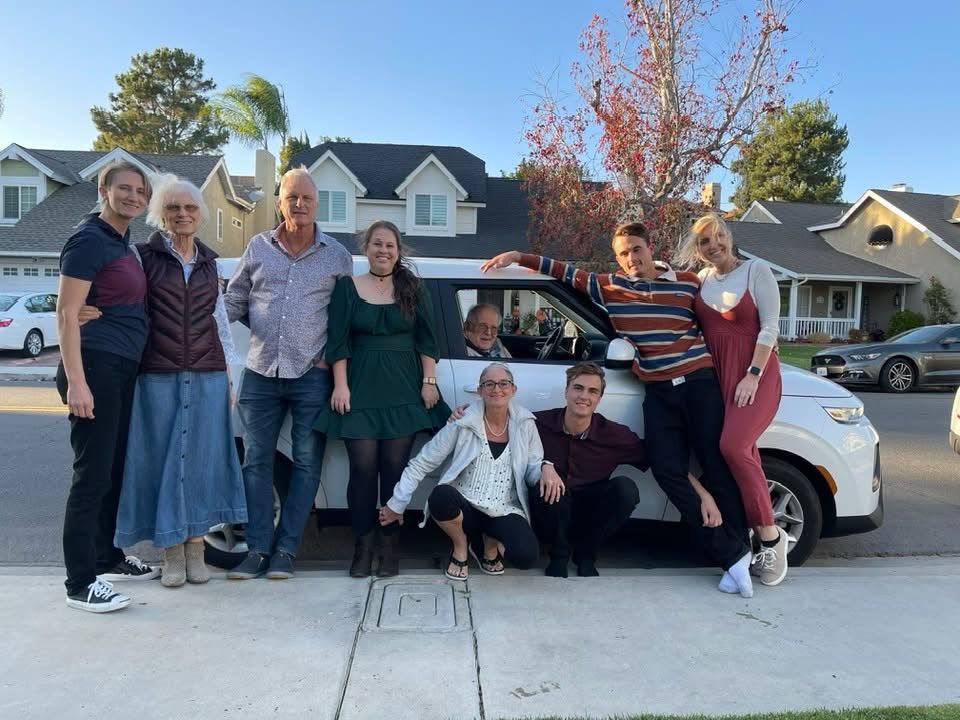
“We were as close as a mother and child could be,” said Wanda DeQuardo of her eldest son, Christian. “And he was beloved. At his funeral in 2022, I think at least 350 people showed up.”
DeQuardo, a mother and nurse from Southern California, shared with IW Features the series of events that led to her beloved son’s death by fentanyl overdose. A family breakdown, poor medical decision-making, and the flagrant lack of border security under the Biden Administration were primarily responsible, DeQuardo argued.
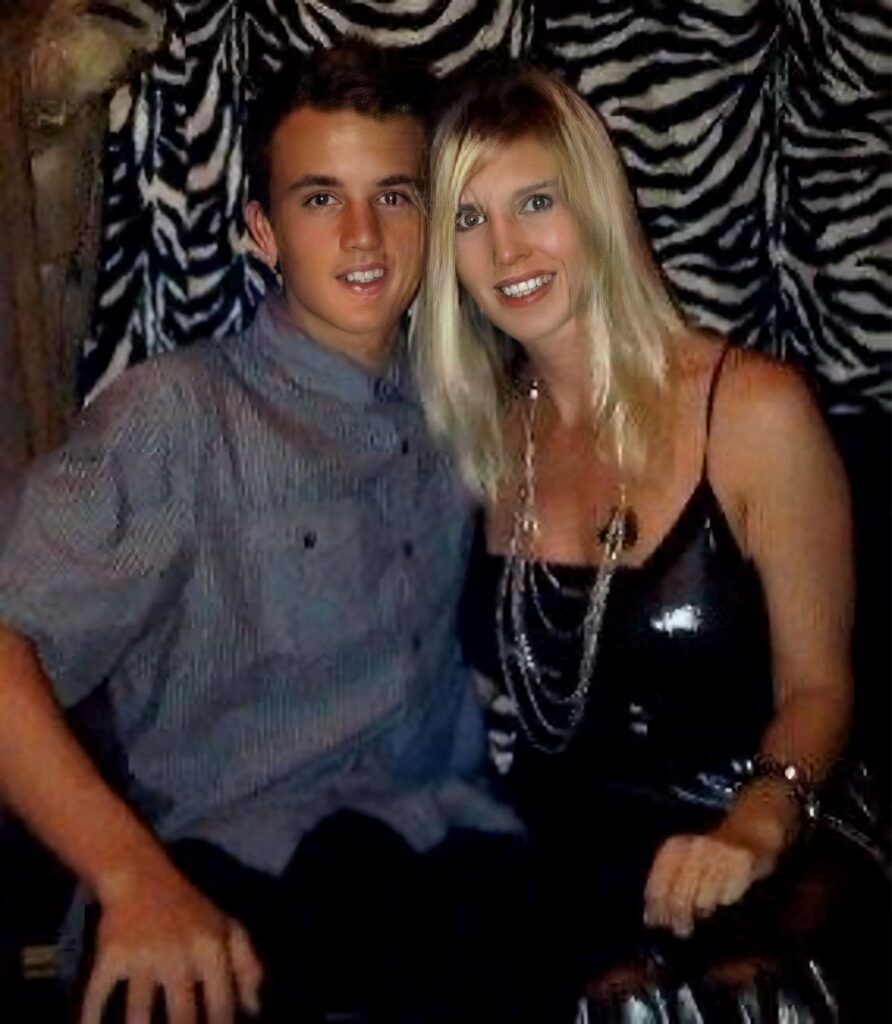

“I was a stay-at-home mom for many, many years. They were my life,” DeQuardo said of her three boys. “Christian happened to be brilliant when it came to music. We always had a piano at home, because I played classical, and his dad played the guitar, so he got the talent from both sides,” she said.
But the happy childhood DeQuardo described came to a grinding halt for Christian at age 14, when she and his father divorced.
“We had a really good family unit, but things started to get dysfunctional,” she said. “We were high school sweethearts, but things started spiraling, and everything changed.”
DeQuardo heartbrokenly returned to full-time work to provide for her boys, eventually becoming a nurse in the very network that would fail her son.
Amidst this emotional turmoil, she said that Christian was also nervous to start high school.
“When I dropped him off at Dana Hills [High School] for the first time, he told me, ‘Mom, I don’t want to go to high school […] there’s people that smoke cigarettes and have tattoos here, I don’t want anything to do with this.’”
Tragically, it was not long after this conversation that Christian’s battle with drug use began—not illegally like so many of his peers, but through irresponsible decision-making on the part of his doctors.
“He started getting into drugs after a surfing accident, where he knocked out all of his teeth. He had to have major oral reconstructive surgery,” DeQuardo said. “He was prescribed hydrocodone at the age of 14. He told me, ‘Mom, I’ve never felt that euphoria before.’”
After becoming addicted to opioids, DeQuardo said that Christian fell into marijuana use like many of his classmates. Attempting a tough-love approach, she said she kicked him out after he graduated from high school and would not let him return unless he was drug-free.
Unfortunately, other family members continued to enable him in his downward spiral.
Despite not allowing him to live at home, where his younger brothers still resided, DeQuardo said she sent him to rehab multiple times. But even though Christian expressed the desire to overcome his addiction, a string of unfortunate events prevented him from getting effective help for a long time.
“He wanted to be in inpatient rehab at Kaiser, where they could chemically detox him off of what he was on at the time,” DeQuardo said. “However, Kaiser would not allow him to do that and prescribed him Suboxone instead, which he hated.”
Suboxone is a prescription medication that helps curb opioid cravings and withdrawal symptoms, but side effects can include personality changes, anxiety, and depression.
While Christian was taking Suboxone at his outpatient rehab facility, another resident on Suboxone committed suicide. The facility consequently saw Christian as a liability and forced him to leave, DeQuardo said.
Finally, Christian enrolled at the Joshua House, a faith-based rehab program that helped him achieve two years of sobriety before the tragic relapse that cost him his life.
“At the Joshua House, there were no drugs; it was just men who dug into Scripture with him. He got baptized, and he had two full years clean and sober,” DeQuardo said. “He was writing music, he was working at a five-star restaurant, and he repaired all the relationships that were broken through mistrust. He was very, very happy. He told me, ‘Mom, this is exactly what I’ve always wanted.’”


Looking back, DeQuardo said she doesn’t fully understand what caused Christian to relapse for the last time.
“I think he must have had a momentary lapse […] once a brain has been altered by substances that are that strong, it’s very difficult, and you’re probably always going to crave them,” she said.
After his death, Christian tested positive for fentanyl. He had arranged to meet with a drug dealer the night before, which DeQuardo discovered after going through his phone.
“Because we live in southern California, and the Mexican border is right there, fentanyl is a terrible, terrible problem here,” she said. “That’s the way it is living in a blue state and having a governor who turns a blind eye.”
DeQuardo continued, “[President Joe] Biden was in office when Christian died, and the administration wasn’t doing anything about this stuff coming through our borders. I honestly believe that if people were being imprisoned for this, if it wasn’t so readily available, that Christian would have had a chance.”
Now a medical professional herself, DeQuardo said she refuses to prescribe opioids to children for any reason.
“You’re setting them up for a lifetime of potential addiction,” she said. “I will keep sharing Christian’s story to prevent other deaths until the day I die.”
This article has been updated to correct a factual error in an earlier version.