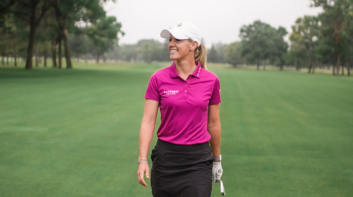

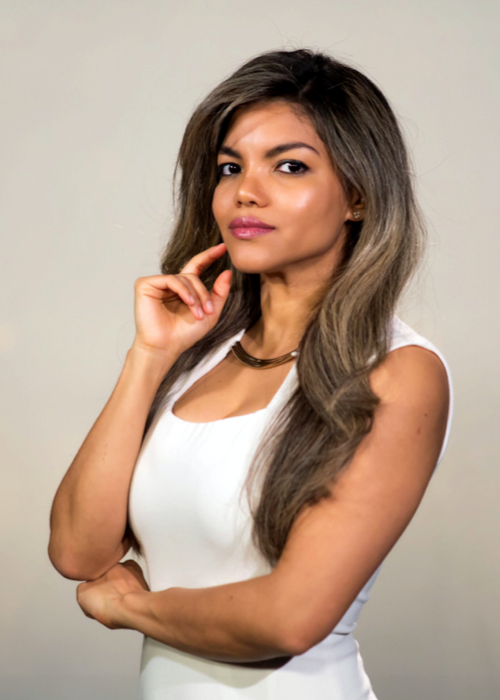

Yali Nunez didn’t even know independent contracting was a job option when she graduated from college. But without the opportunities and experience that freelancing gave her, she wouldn’t be where she is today.
Nunez has been a journalist, TV reporter, news anchor, and executive director of communications—all because of her start in freelancing. She knows firsthand just how important America’s independent workers are to its economic renown, and she thinks the freedom to choose independent contracting is the future.
“I started my career freelancing as a journalist,” Nunez told IW Features.
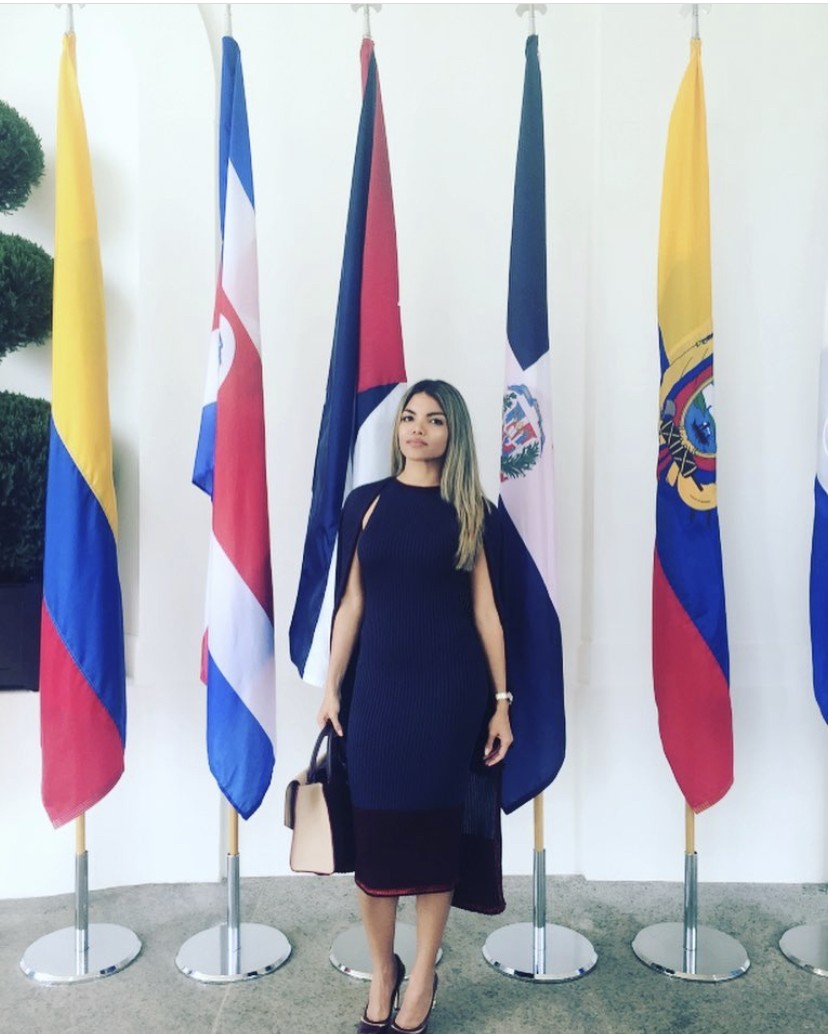
Right out of college, freelancing built up her experience when other opportunities were scarce and opened the door for future jobs. As her career took off, she said she balanced freelancing as a journalist and communications expert for organizations like the International Rescue Committee alongside a regular 9-5 job. And she emphasized how important the freedom to make this choice is for many other Americans.
“I think ‘options’ is the keyword when you’re talking about freelancing or independent contractors,” she said. “Maybe you have a 9-5 job, and there’s nothing wrong with that… But at the same time, if you want to pursue another passion, you want that flexibility. You want that autonomy as an independent contractor.”
As a visiting fellow with Independent Women—another role she holds as an independent contractor—she especially sees how this issue impacts women who make up roughly half of America’s nearly 73 million independent contractors. In fact, 82% of women and overall voters say that the government should not force people into traditional employment roles, according to Independent Women polling.
“[Many women] have family members that they have to take care of or seniors or maybe their mothers,” Nunez explained. “When you say, ‘I can work this job for two hours, and it wouldn’t affect my other priorities that I have as a mother or as a wife or as a daughter,’ I think that empowers women at the end of the day.”
Beyond flexibility, Nunez said that independent contracting is more important than ever as Americans face an affordability crisis.
“It can become a different or a second or a third stream of income to your household,” she explained.
For women, affordability is a top issue, as Independent Women’s “Reclaiming Affordability” report explains. Women make the majority of spending decisions in 69% of households, and as rising energy, health care, and everyday costs rise, they are looking for additional ways to ease financial strain.
All of this is why Nunez believes that protecting freelancer freedom and flexibility should be a top priority of U.S. labor law. Under the Biden Administration, the Department of Labor (DOL) enacted strict standards on companies contracting with freelancers that jeopardized the independent status of many of these workers. Meanwhile, states like California have passed restrictive employment classification laws that forced many freelancers into unwanted “employee” classifications—and forced many others out of work altogether.
“With [the Trump] administration, we’ve seen a difference in old regulations that basically prevented people from having that flexibility and that autonomy,” Nunez said, referencing the Trump Administration’s DOL proposed rule that would rescind the Biden Administration’s 2024 classification regulation. “Having laws and rules that preserve that autonomy for those people who choose to be an independent contractor is very important.”
“At the end of the day, the government shouldn’t be picking winners and losers,” she added.
These values of innovation, freedom, and flexibility are also what set America apart on the world stage and why Nunez said America should be leading the way for a free workforce.
“When you think of developing nations, they don’t have… that mentality,” she said. “Becoming more autonomous, becoming more free in the way that we choose to work, becoming less dependent on the government… I think that will lead us to be a better nation, a bigger nation, and to carve our way as what we are, which is Americans.”