


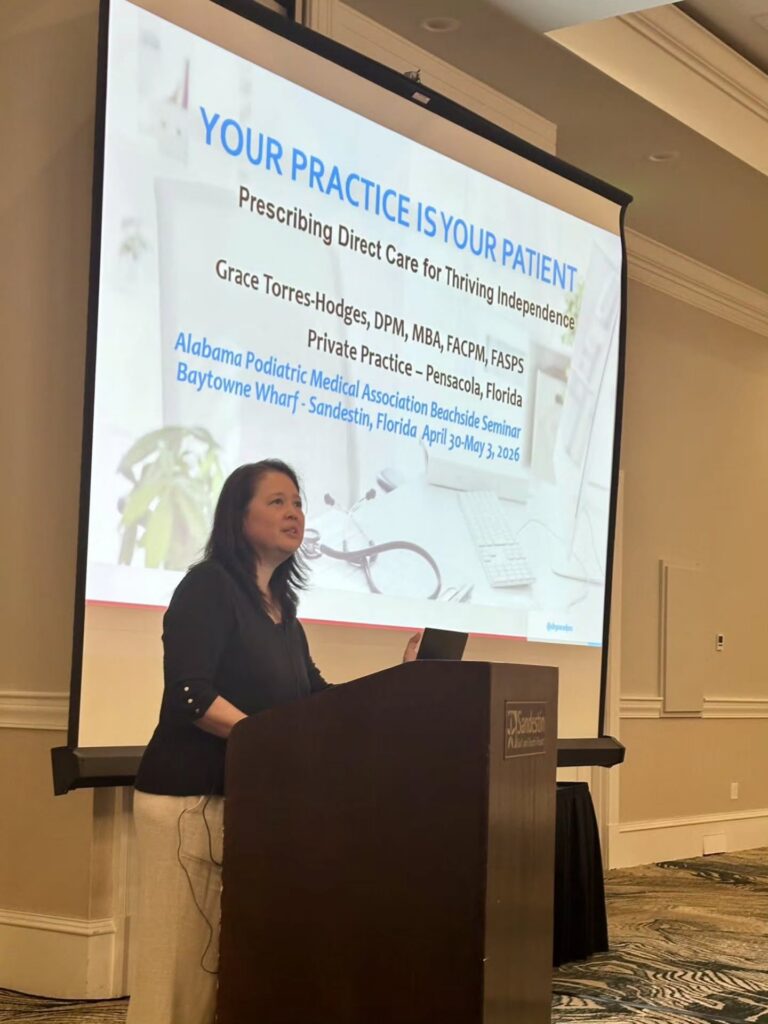
Dr. Grace Torres-Hodges never planned on practicing medicine. In fact, the first years of her career were spent in Washington, D.C., doing oceanography policy. But today, she’s on the frontlines of the medical freedom movement, advocating for direct care solutions and serving patients in her podiatry practice.
Torres-Hodges owns her own podiatry practice in Pensacola, Florida, and she has almost three decades of experience as a foot and ankle surgeon as well as providing routine care. However, what makes her practice unique is the direct care model she offers to patients, cutting out the bureaucracy of insurance companies, hospital administrators, and other barriers to care.
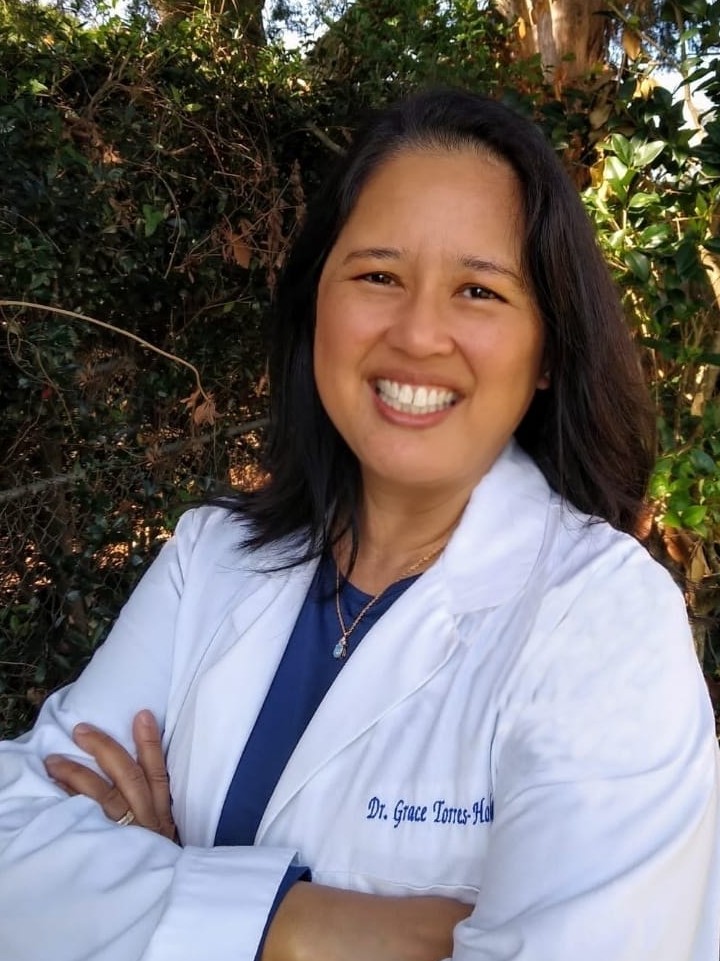
“Direct care basically is me working directly with you, my patient,” Torres-Hodges explained to IW Features. “There is no middleman. It’s old-school business in the sense that it’s two people… And when you look at medicine by itself, the doctor-patient relationship is the core of it.”
Torres-Hodges began her journey into medicine working within the traditional healthcare system. The daughter of a general surgeon and an internal medicine doctor, she said her parents—especially as immigrants—wanted her to become a doctor as well, but she initially rejected the notion.
But after working in oceanography, she said she realized the career simply wasn’t satisfying for her. She took the additional science prerequisites she needed for medical school and said her biomechanics professor “dared” her to specialize in podiatry. And now, she’s had her own practice for 25 years.
Her decision to leave the traditional healthcare system was spurred, in part, by the passage of the Affordable Care Act in 2013.
“At the time, I was on all insurance plans, including Medicare and federal plans, as well as all the commercial plans,” Torres-Hodges said. “Every year I was working harder because the reimbursements were getting lower. And then there were things that they were adding in that had no business trying to change the way that I do my practice.”
Torres-Hodges said she found a meeting of direct care doctors. At the time, direct care practices were typically primary care doctors, not specialists or surgeons like Torres-Hodges, but Torres-Hodges found three specialists at the conference and began learning how direct care worked.
“I started looking at my practice a little bit differently, looking at numbers, paying attention to that a little bit more,” she said.
By 2017, all her contracts with insurance companies had finally expired, and she had an exclusively direct care practice.
Rather than navigating the complex hospital and insurance system, Torres-Hodges is able to directly work with her patients, list her prices transparently online, and bundle her services together for her patients’ exact needs. She works with individuals who need surgery, as well as seniors, diabetics, rheumatoid patients, athletes, and other patients who need regular checkups.
Torres-Hodges said the model relies on doctor-patient trust, accountability, and transparency—all aspects that have largely been lost in the traditional American medical system. For patients, this means more face-to-face time with their medical providers and the freedom to shop for the care that truly meets their needs, in addition to upfront, transparent pricing.
“Insurance companies will control reimbursement rates,” Torres-Hodges explained of the current mainstream system. “Insurance companies control the network of who you can see, and then they also control how you’re paid. But on the patient side, they’re controlling your deductible. They’re controlling that threshold before they pay. They control who you can see.”
Direct care frees both patients and doctors from this system and often offers more affordable care, in addition to higher-quality care. Rather than being nickel-and-dimed for every line item and wrestling with insurance coverage, patients know upfront what they will pay and can shop around for what fits their needs.
“When the reimbursement from the insurance companies started going down, [primary care doctors] had no leeway of trying to adjust for inflation, for costs, for anything locally,” Torres-Hodges said. “Rather than working in that system… they basically bundled all their services together in a monthly membership.”
In specialty care like podiatry, Torres-Hodges explained that she will bundle line items together for complex procedures or an ordinary visit, giving patients one upfront price for procedures that include everything from anesthesia to X-rays.
The change gave Torres-Hodges more than just freedom from a broken system.
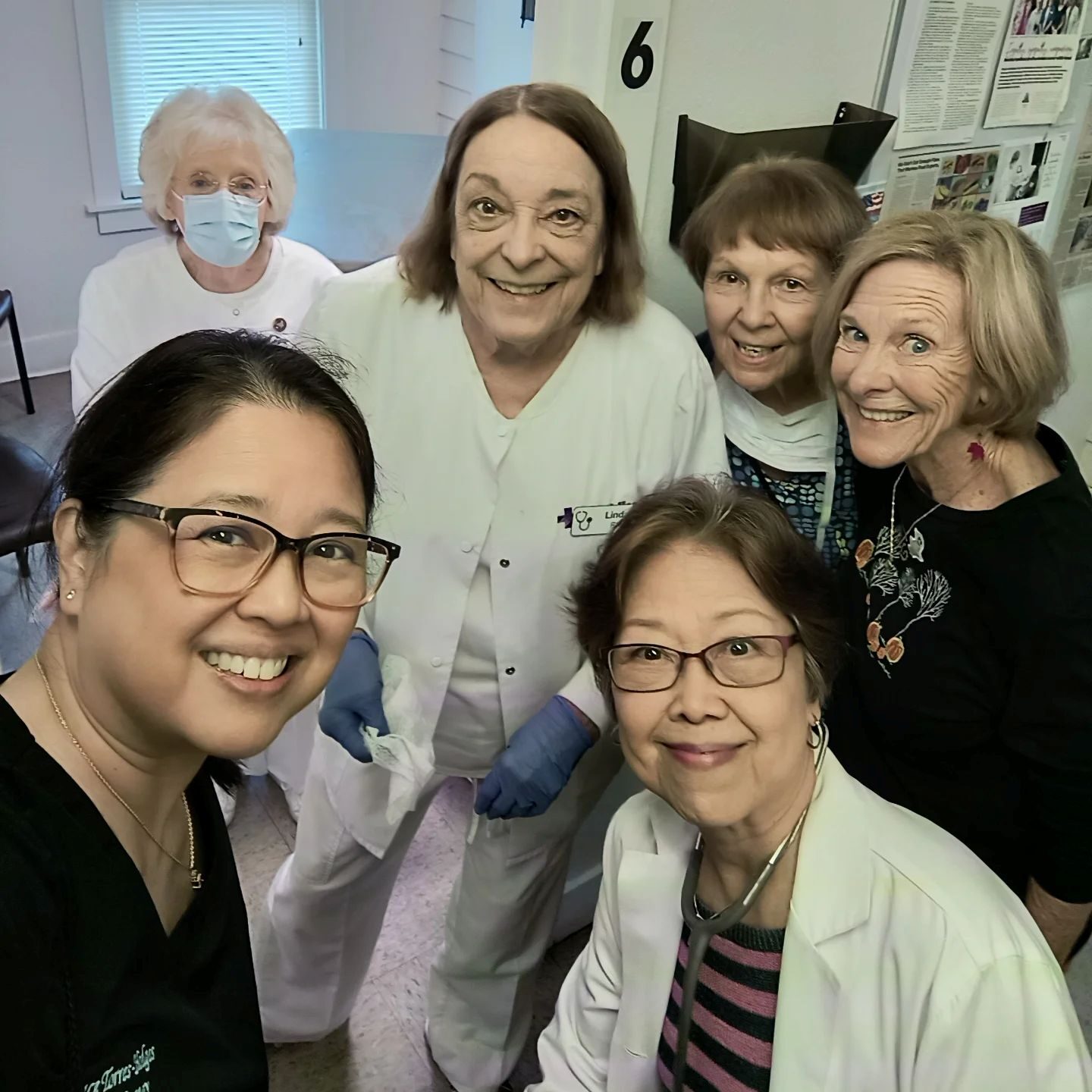
“I actually have more time to volunteer,” she said. “A lot of direct care doctors are able to give back to the community because their time with patients in the office is much more intentional now rather than being random and happenstance because they’re doing all this administrative work.”
However, Torres-Hodges clarified that she’s not opposed to insurance—she just thinks the system needs reform.
“I have insurance,” she said, explaining that an insurance plan can be useful for catastrophic medical events. “Eighty percent of my patients have insurance… We always will give them a receipt after we’re done, and they can file their insurance.”
But Torres-Hodges also encouraged individuals to look at options outside of the insurance system that may fit their needs better than a traditional, expensive healthcare plan.
“Not everything is what we call the BUCAH plans—Blue Cross, United, Cigna, Aetna, and Humana,” she said. “There are reimbursement plans. There’s health savings plans. There are health sharing ministries out there.”
And even for those who decide an exclusively direct care setting isn’t for them, Torres-Hodges still encouraged patients to employ the principles of medical freedom.
“The dirty secret is even in the hospital, you can negotiate self-pay rates with everybody, with all the hospitals,” she said.
She pointed to the Hospital Price Transparency rule that went into effect in 2021 under the first Trump administration: “The federal government has actually now required good faith estimates on everything so that you could actually do a price comparison.”
As the mainstream system still struggles even after this reform, Torres-Hodges and a growing number of doctors are carving their own paths outside the system. Torres-Hodges writes about the growing direct care model on her Substack and has two books teaching doctors about healthcare freedom.
Switching to the direct care model has been “the best decision in the world,” she said.