
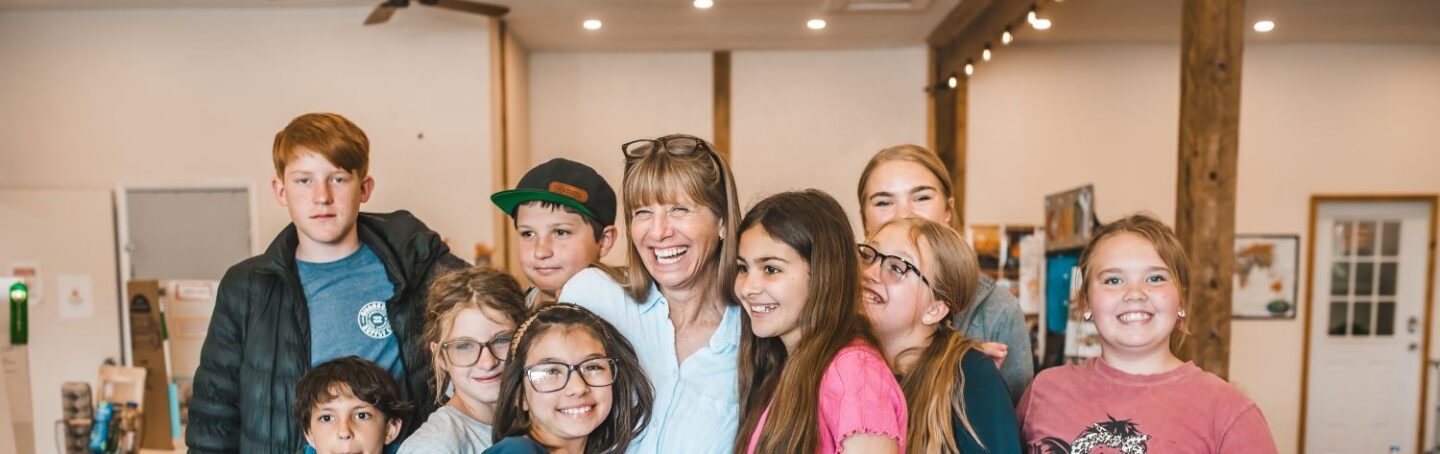
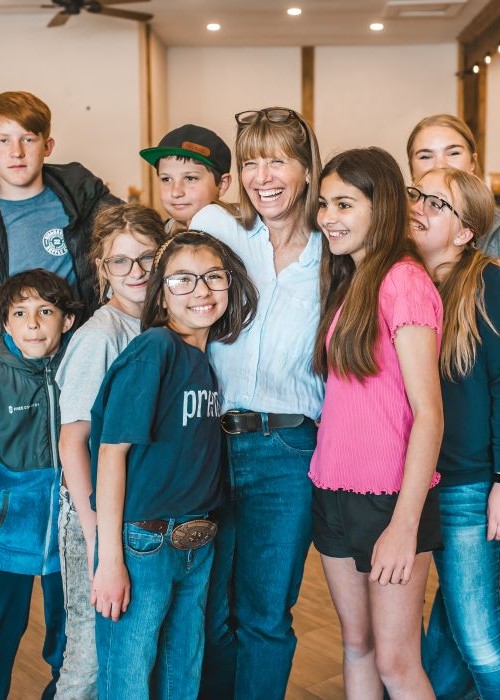

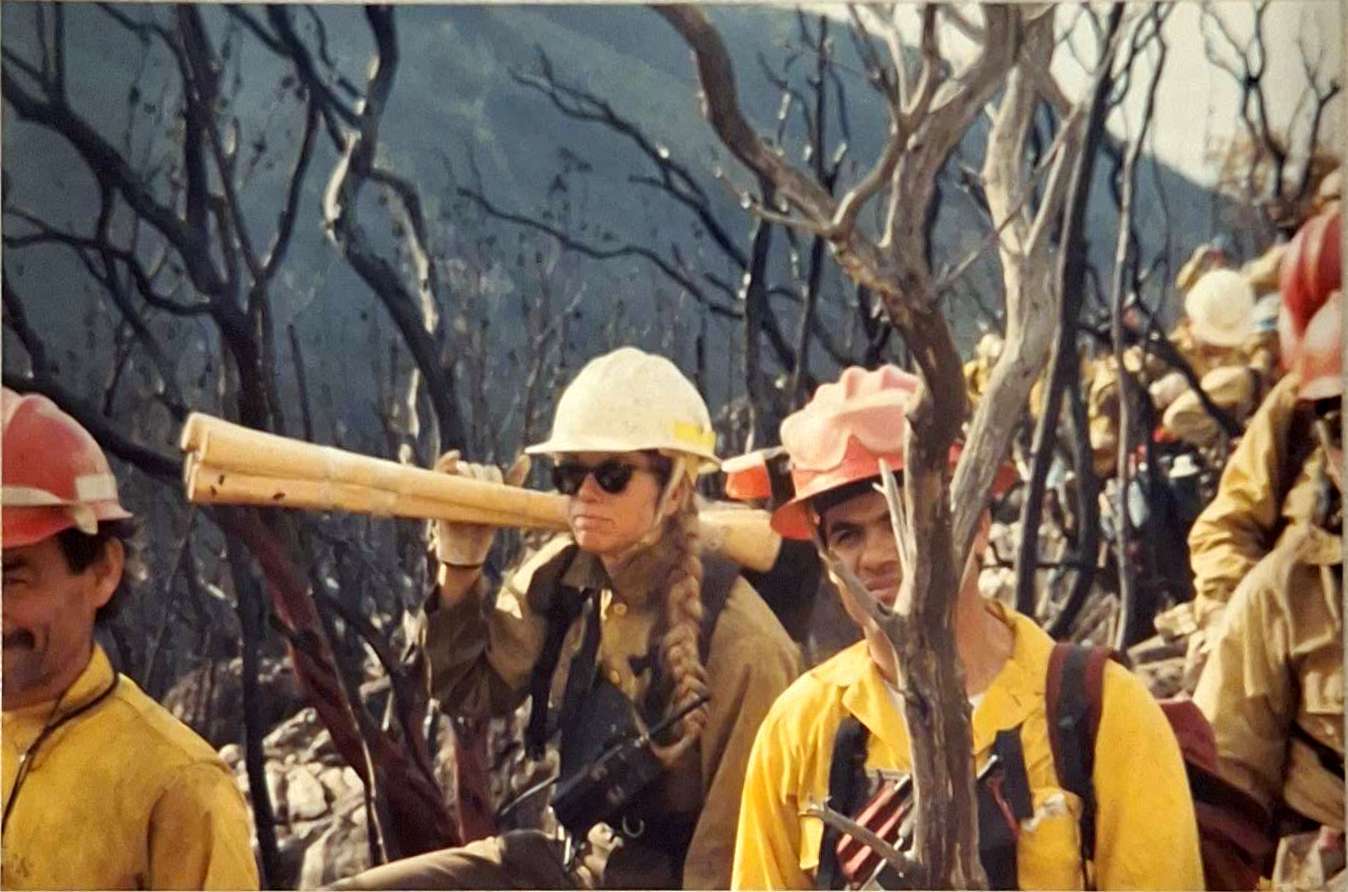
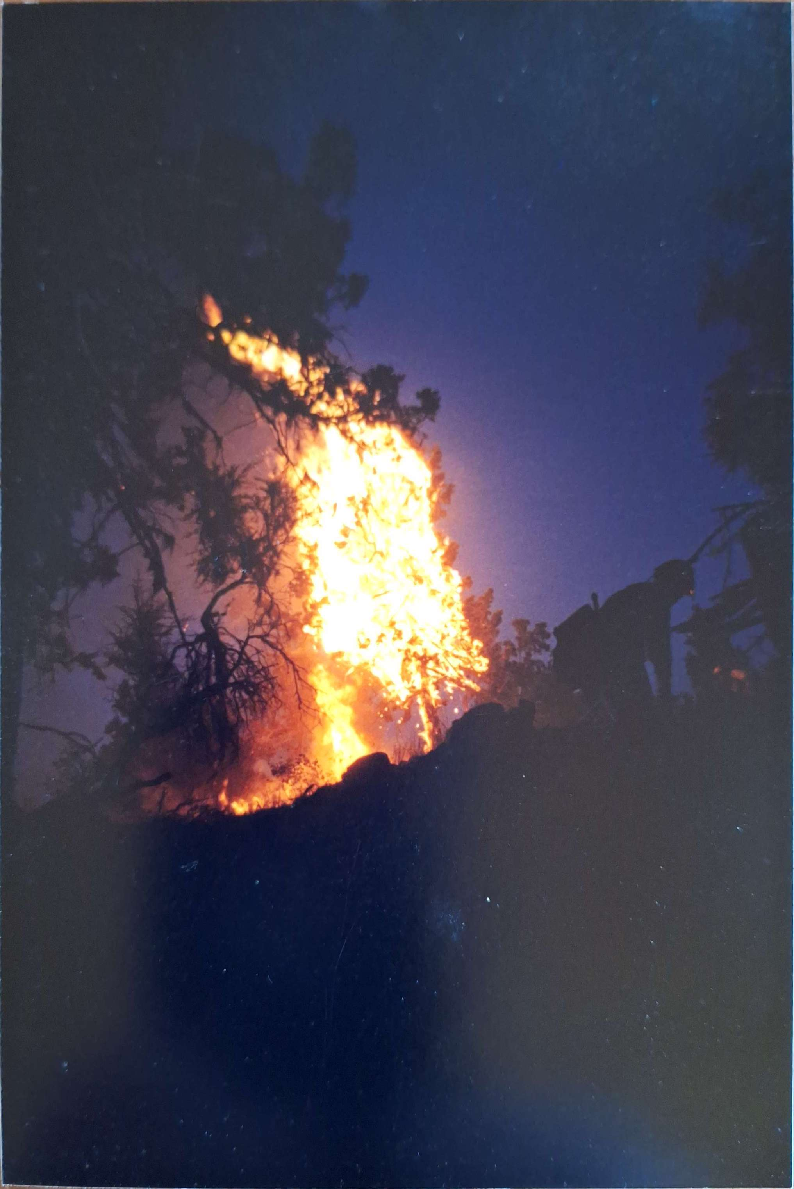
Denise Lever’s journey to being an education freedom advocate started in the Oregon wilderness, where she kept watch for deadly wildfires and lived off grid. At just 18-years-old, before drones and heat-sensing technology could be used to spot fire, Lever served as a first line of defense on a watchtower and later joined a crew to fight fires on the ground.
“I spent two years as a fire lookout on a 60-foot tower in [the] middle of eastern Oregon,” Lever told IW Features. “No running water, no electricity, [just] me and my dog.”
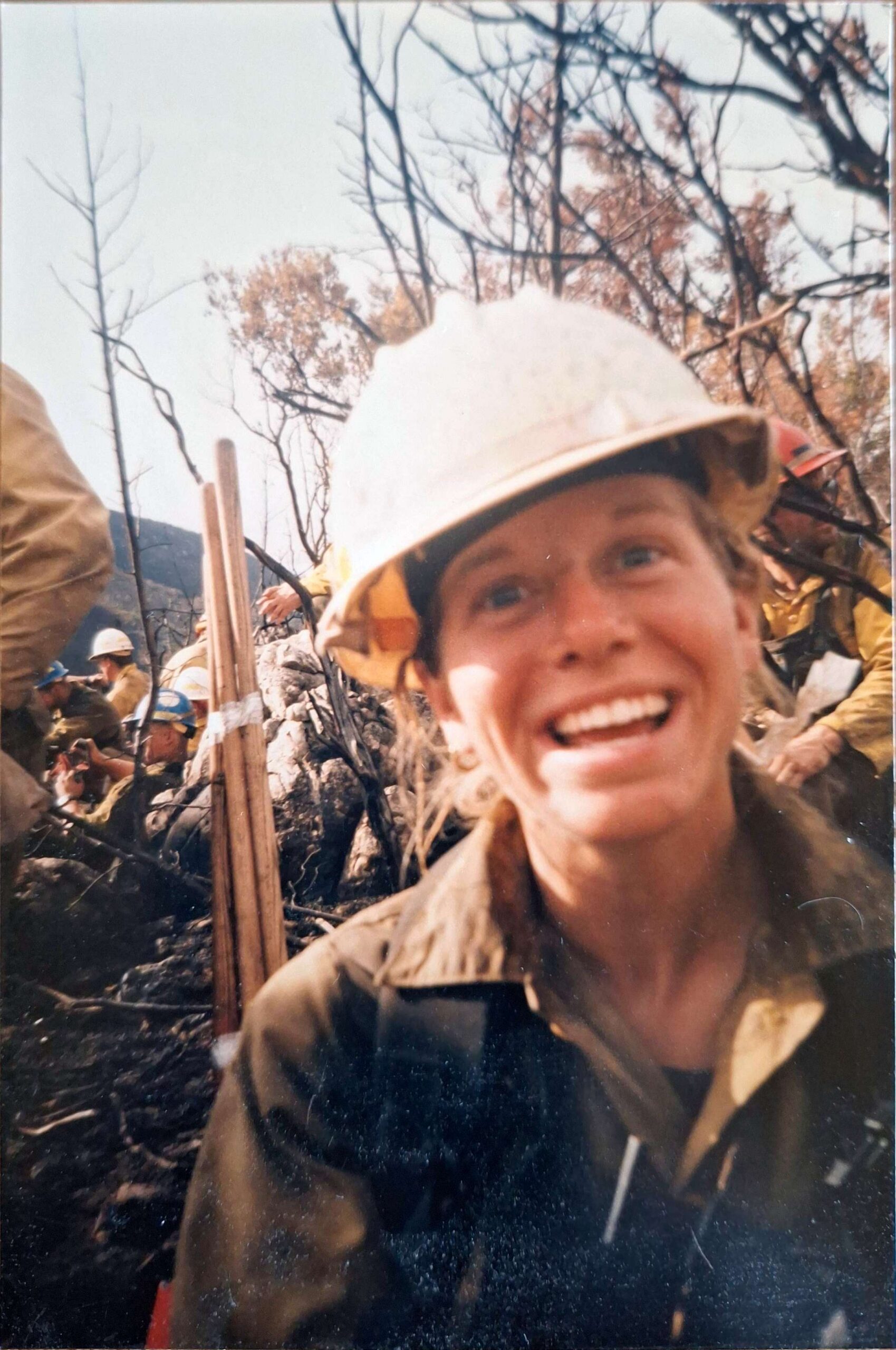
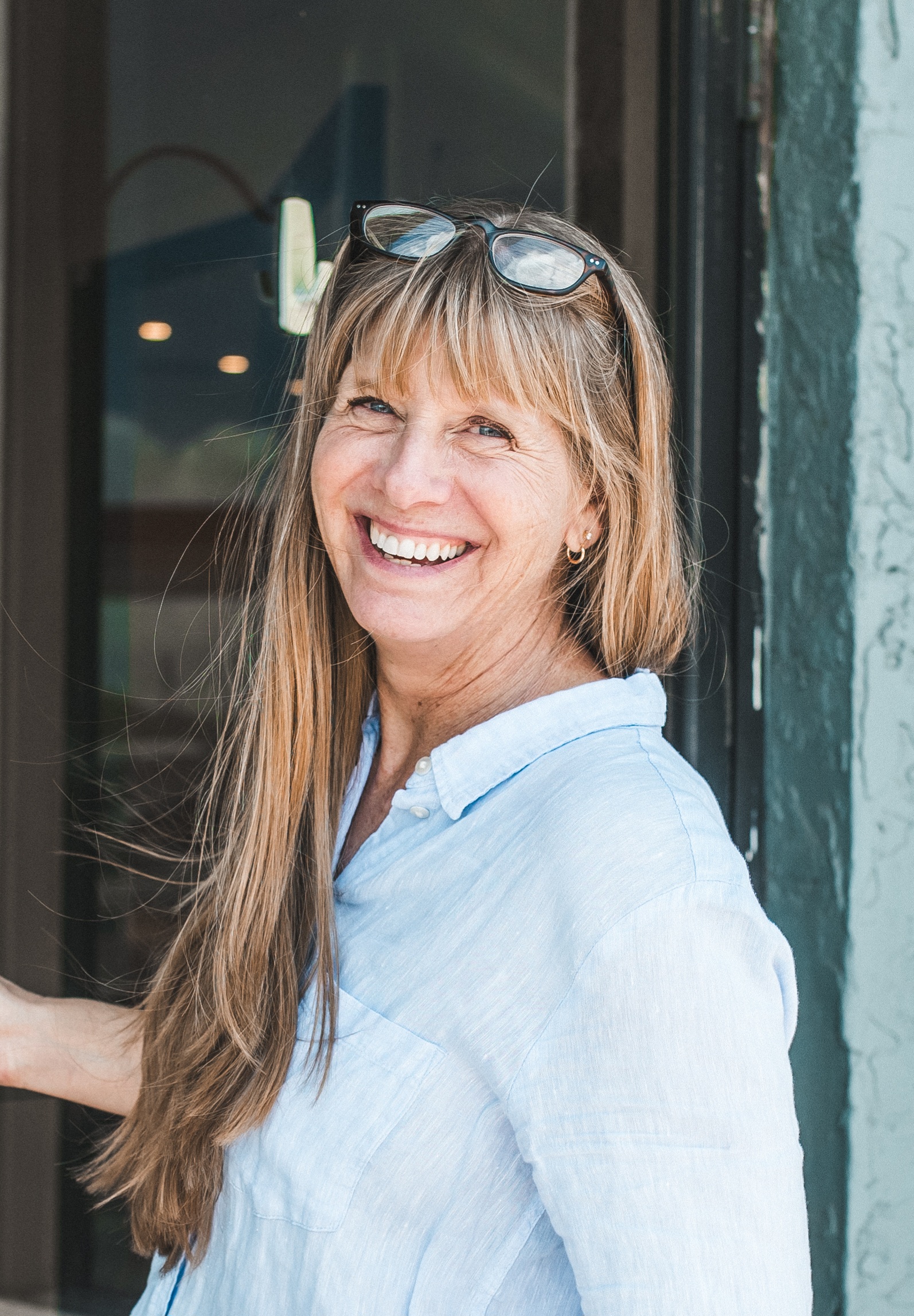
Lever met her husband fighting fire, and when they were expecting their first child, she made the difficult decision to quit the crew when she was 30.
“It was still a very male-dominated job,” Lever said. “There was no room for women. There was no way to take a year off if you were pregnant.”
But Lever’s experience with her decentralized crew stuck with her and changed her perspectives on other systems around her, especially public education. In a firefighting crew, she explained, “the people on the ground… were able to make decisions and were empowered to make decisions,” she said. “We were trained and then supported. And I think that also framed the way I wanted to see the rest of my life go.”
In the public education system, however, Lever found the system was the exact opposite: it was highly centralized, bureaucratic, and very rarely tailored to individual students’ needs.
Lever explained that their family moved nine times in 13 years because of her husband’s firefighting career, and the public school system failed to meet their needs.
The final straw was when Lever needed the school’s approval to withdraw her son early on a Friday afternoon to spend time with their family when Lever’s husband had returned from three weeks of working out-of-town.
“I wanted to have that freedom, and I was willing to accept the responsibilities that came with that,” she said, explaining her frustration at having to ask permission from the school to spend time together as a family.
So Lever began looking for a different option—one that would give her family the flexibility they needed. Lever said a local homeschool mom guided her as she decided to take on her children’s education herself in the mid-2000s. And despite the challenges along the way, Lever said the freedom was priceless.
“We could follow interests. We had flexibility,” she said. “If my husband got a fire call after hours and he had to go check something out at a campground or something, we’d all pile into the truck and drive to the campground.”
As the years passed and Lever became a veteran of education freedom, parents began reaching out to her with questions about alternative education options.
“Someone would have some kind of educational crisis. They would pull their kid out of school, and then they would come to me and… [say], ‘Now what do I do?’” she said.
In 2020, Lever said one of her friends had a child who was struggling in public school and another child with a speech impediment, a situation made more challenging by mask mandates at the time. At the friend’s request, Lever took on the task of helping the two children, alongside her own children and another family.
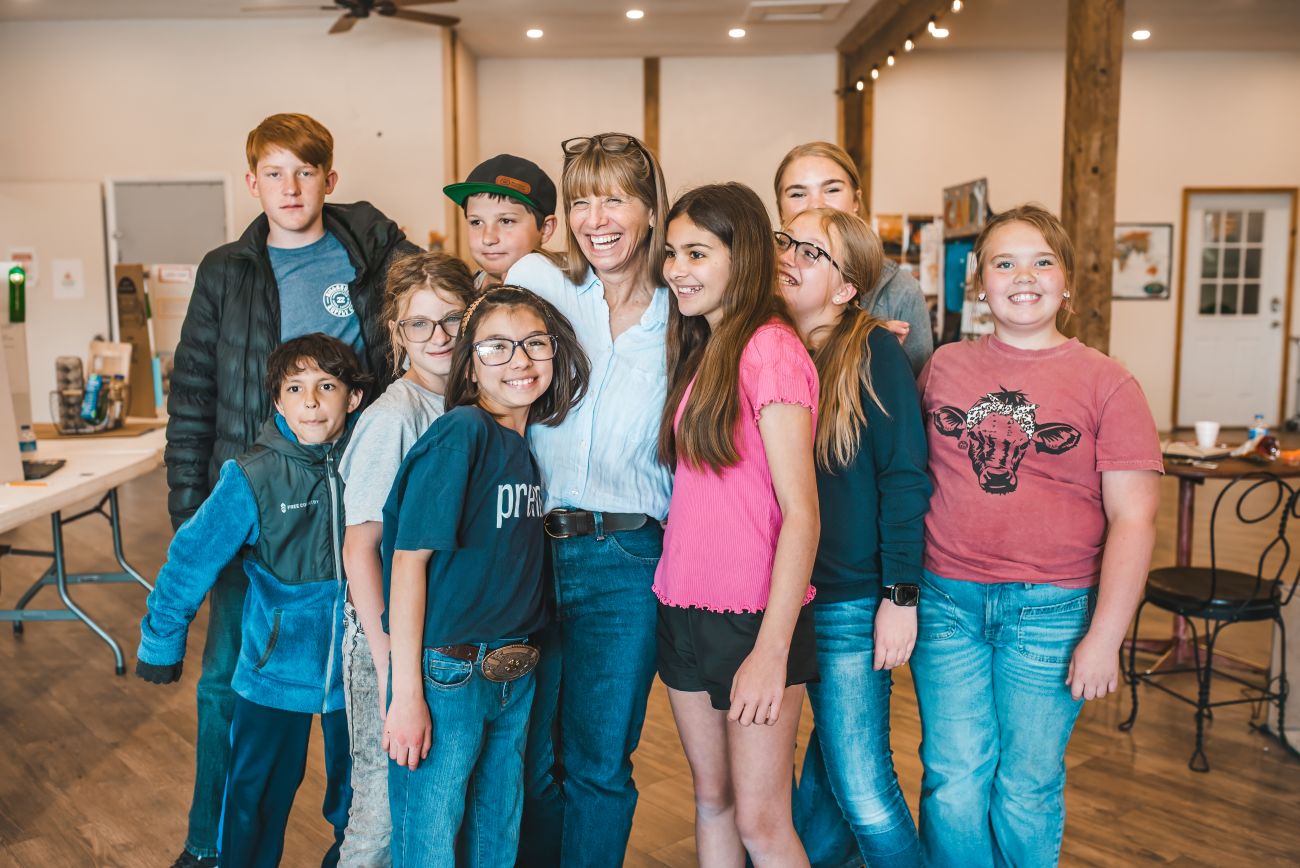
Relying on her experience starting a homeschool group, she launched Baker Creek Academy as a charter school. Soon, other families heard about Lever’s programming and wanted to join in. So she began helping other families launch their own microschools. When Arizona began offering education saving account (ESA) options, Lever helped open two more groups.
As of today, Lever has helped start 10 microschools—and she said she’s just getting started.
“[This year] we’ll have 11 functioning micro schools… all just collaboratively educating the community,” she said.
Lever added that she hopes these school models can also empower the mothers helping start them.
“[One mom] was already helping and doing a lot of these things in her community, and nobody cared because it wasn’t a business and she didn’t have the title of business owner,” she said. “That’s where I started to think, ‘It’s not just about expanding and serving more kids; it’s about changing families and economic trajectory while we’re educating kids and giving a title and an income to things women were already doing.”
Lever credited ESA programs with much of the growth her program has experienced, noting one of the benefits is transparency around education costs. Average ESA spending per student in a microschool, for example, is far lower than the average cost of public or even private schools per student.
But more than anything, families are realizing that the one-size-fits-all public education system does not work for them or their children.
“We no longer have to be stuck with that system,” Lever said. “I think people are starting to feel empowered that the risk of staying in the system is no longer worth the potential risk of leaving.”
She added: “[Parents are] embracing this idea that their beautiful, special, individual child is someone that deserves something that is built for them.”
This article has been updated to correct factual errors in an earlier version.