


“We’re currently in a full-on agrarian collapse,” regenerative farmer Mollie Engelhart warned in an interview with IW Features.
“And the government can’t move that ship around fast enough to save us,” Engelhart continued. “We’ve already lost 170,000 farms in a short period of time.”
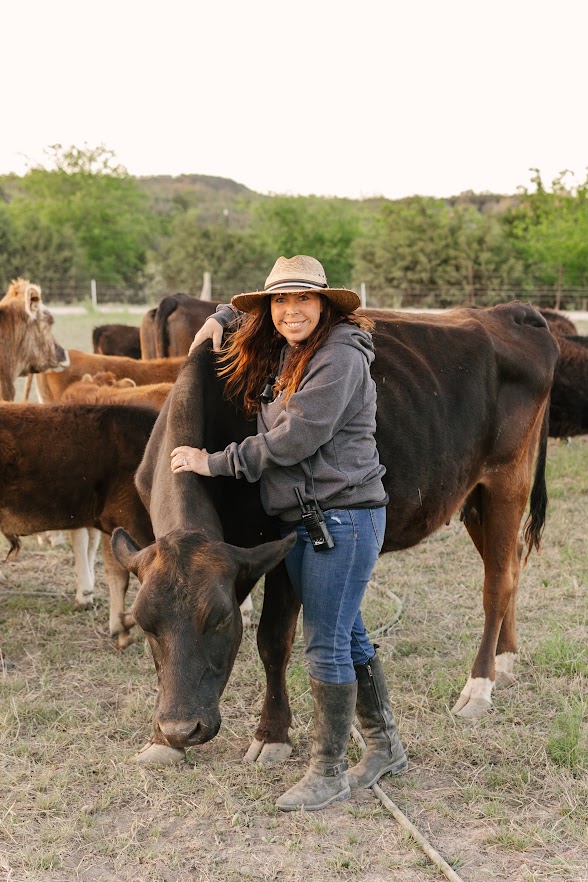
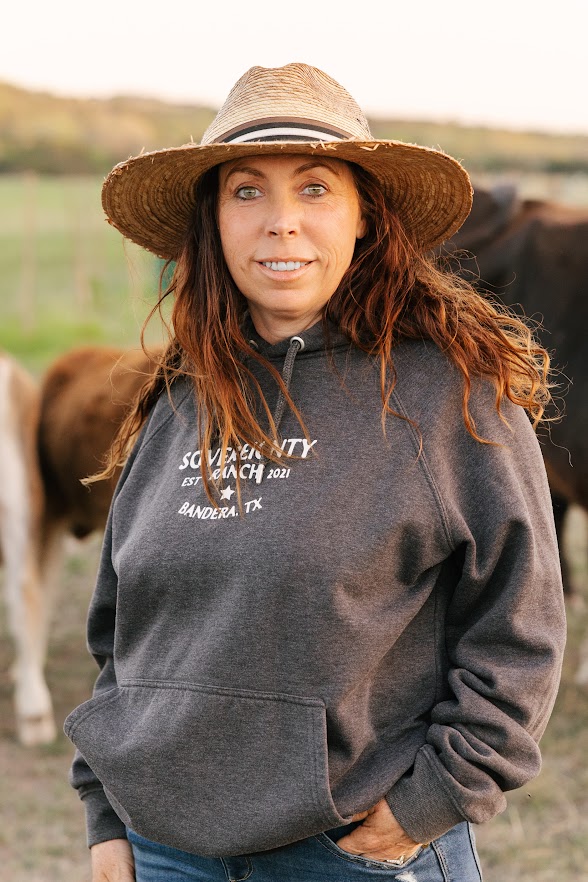
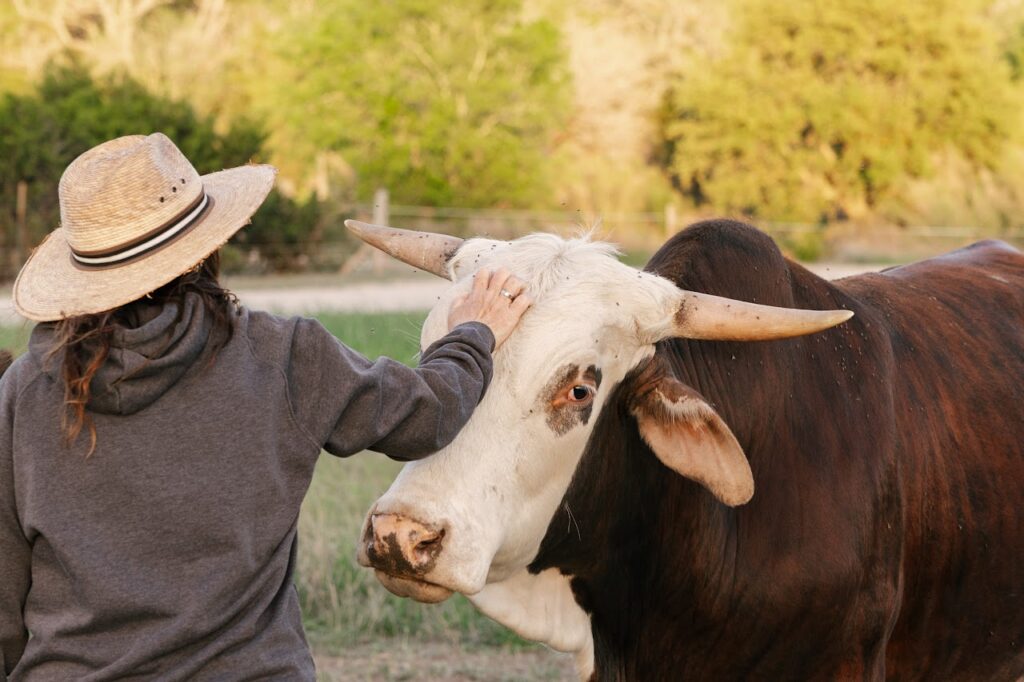
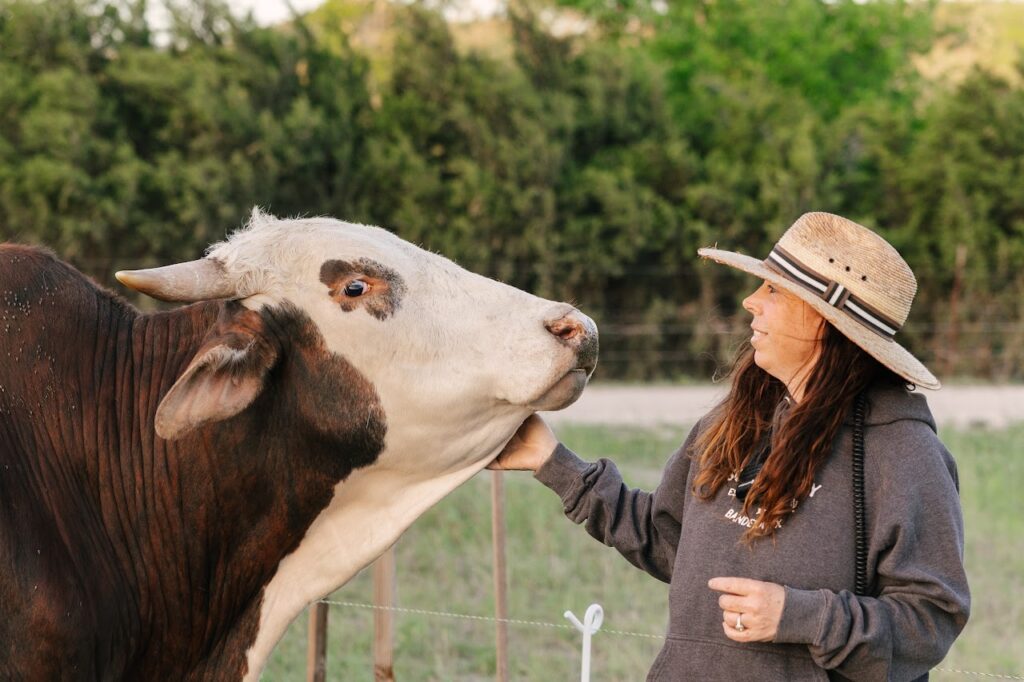
Engelhart runs a cattle ranch in Texas and has seen this collapse firsthand. But her experience in the agriculture industry has been anything but conventional.
Just a few years ago, Engelhart owned a popular vegan restaurant in downtown Los Angeles. She began to become interested in regenerative farming when she tried to recycle the food waste in her restaurant’s kitchen into compost, which would then be used to grow more food. She was shocked to find that it was illegal to give your compost to another farm — unless it was your own.
After buying a farm, Engelhart said in an interview with Samantha Jewel on Substack that she quickly learned that “veganism doesn’t exist in nature.”
So, she began offering organic meat raised on regenerative farms at her LA restaurant — a switch that didn’t go over well with the local vegans. They threw blood on the restaurant and harassed her and her customers, causing her to close her restaurant and move to Texas.
Today, Engelhart uses her influence to champion a solution to our food and health crisis that goes deeper than government subsidies or even MAHA (Make America Healthy Again) policies.
“The only thing that can save us is the consumer,” Engelhart said. “It’s the mother saying, ‘I choose to go to the farmers market. I choose to drive to the local farm to buy my raw milk. I choose to spend my grocery dollars locally as much as possible.’”
Consumers have to change habits, she argued. As a country, we have to become comfortable with spending more on healthy, local food, even if it means giving up other conveniences, she explained.
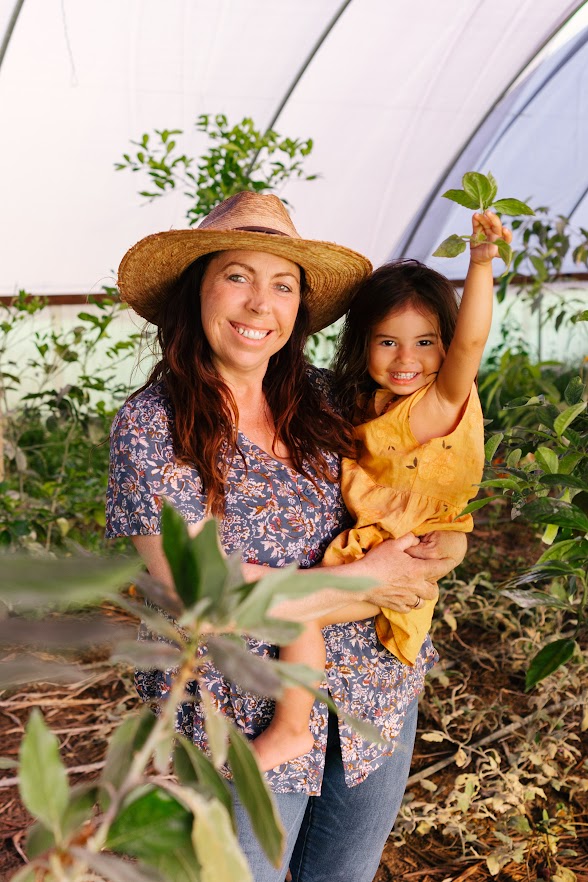
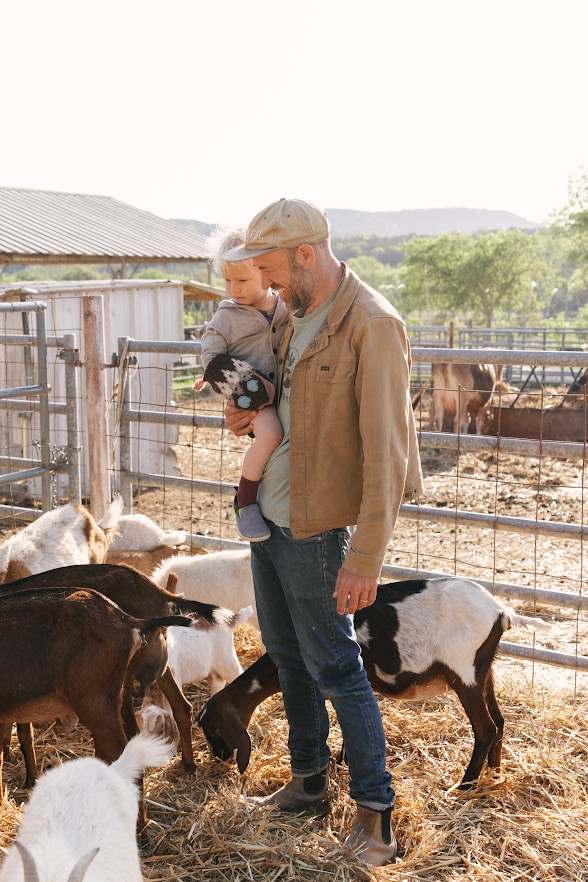
“What are you spending your money on that’s more important than the health and vitality of your children? What’s more important than their sexual function as they grow older, what’s more important than their ability to fight cancer in their body?” she said.
It’s a matter of priorities, Engelhart said. Americans need to be willing to buy direct from local regenerative farmers, even if “it means no vacation this year, or it means a little bit less in our savings, or it means the next time the car breaks, we have to put it on a credit card and pay it off over time.”
Engelhart said she sees the mainstreaming of conversations around food standards and ingredients as the chief success of the MAHA movement. This conversation is an important first step towards healing a sick America and reviving the agrarian economy. But it’s up to the consumer to take the next step and actually change his or her buying habits despite higher prices or even regulatory barriers.
There is still a place for the government to step in and provide direction, however. And while the Trump administration has taken important steps in this regard, many MAHA advocates feel they have been receiving mixed signals, according to Engelhart.
“I think that regarding the conversation around chemicals in our water and in our food, and pesticide usage, [President Donald] Trump and [Health and Human Services Secretary Robert F. Kennedy, Jr.] are on two different islands,” Engelhart explained. “People in MAHA who voted for Trump are wondering, where is 45? We’re confused because he’s rolling back regulations on pesticides that have been illegal for years. So we’re wondering, ‘Wait, what’s going on? I thought you promised to get us healthier. You promised to investigate these things, and now you’re rolling back things that we’ve already made illegal.’”
In Engelhart’s opinion, the government still incentivizes bad farming practices.
“The agricultural industry is being subsidized to grow food that makes us unhealthy. The SNAP program is being subsidized to buy food that makes us unhealthy, and Medicaid and Medicare and other insurance, Obamacare, etc, are being subsidized to pay for those metabolic dysfunctions and psychological dysfunctions that happened on the far end,” she argued.
And too often, the result is that local farmers like Engelhart, who do prioritize truly organic products, get left behind.

Instead, the government should lift regulatory barriers on direct-to-consumer sales, allowing local farmers to more easily sell their food, and health-minded consumers to more easily access and purchase that food, Engelhart said.
“I think that direct-to-consumer sales, neighbor-to-neighbor, should be 100% legal for anything from tomato soup to chicken pot pies to beef to chicken to rabbits to chocolate chip cookies,” she said. “I believe that that should be fully allowed, because neighbors feeding neighbors is as old and as human as human beings themselves, and this idea that we need the government in every bite of our food is completely ridiculous.”