

“Never say, ‘Not my child.’”
That’s Patricia Drewes’ message to parents after she experienced the unimaginable. Her daughter, Heaven, who was 24-years-old and a young mother, died of fentanyl poisoning in 2019.
“Don’t ever say not my child, because I was one of those parents,” Drewes said. “But here I am without her.”
Drewes never thought this would be her reality. Heaven was a beautiful young woman and a social butterfly, Drewes said. She loved life, loved having fun.
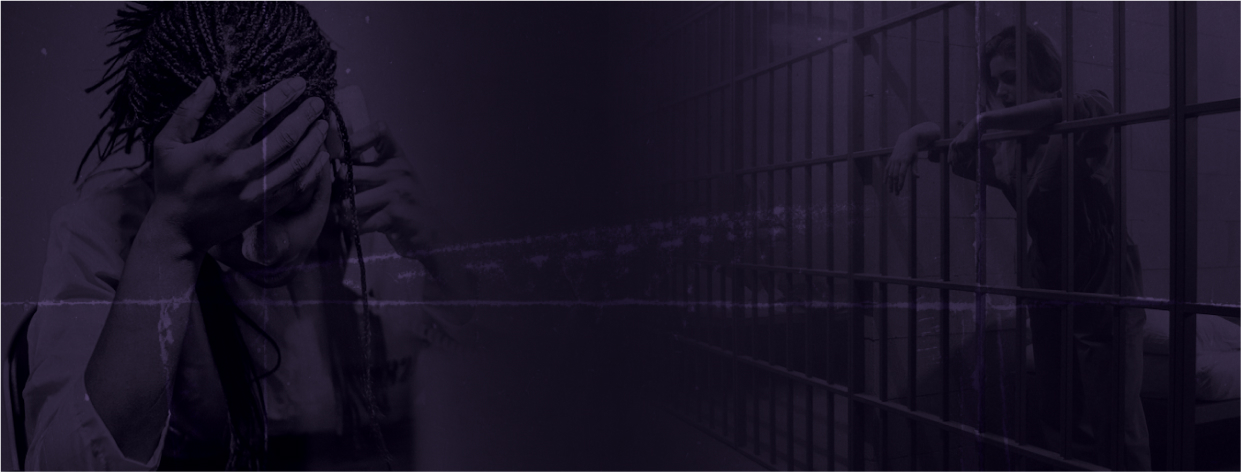
But Heaven’s life changed when she was 18-years-old. She went to a party, and was drugged and raped, according to Drewes. Heaven ultimately moved away, trying to rebuild her life far from the trauma she experienced that night.
“She didn’t want to be around anyone associated with that person [Heaven’s alleged rapist] or anyone who knew that person. She did not want to risk running into him,” Drewes said.
But when Drewes’s nephew died in a car crash, Heaven came home for the funeral. She met a guy, decided to stay, and had a baby.
Heaven’s life took yet another turn when this man introduced her to drugs, Drewes said.
Drug usage was completely out of character for Heaven, Drewes said, describing her daughter as health-conscious even from a young age. She hated McDonald’s growing up, Drewes said, and never wanted to put any chemicals in her body.
“She started dabbling [with drugs], but I think it was her mental health, you know, after being raped, and I tried to get her help,” Drewes said. “I tried—she had been in and out of rehabs.”
Heaven left for rehab on January 6, 2019, and stopped by the car dealership Drewes worked at to say goodbye.
“I went out, and I talked to her for a while, and she got out of the vehicle twice, crying and saying, ‘But mama, it’’s so far away from you,’” Drewes said. “I had no idea that would be the last time I’d ever lay eyes on my child alive.”
Less than one month later, on January 28, Drewes was talking to a friend on the phone. “‘For the first time in four years, I can lay down and sleep, I can close my eyes,’” Drewes recalled saying to her friend. “‘I can actually breathe because I know that my child is safe.’”
Moments later, Drewes received a phone call that would change her life forever.
“I hit my knees and just screamed. Just screamed,” Drewes said. “That’s the most traumatic thing that any parent can ever hear. Those are the most traumatic words any parent could ever hear, and we shouldn’t have to.”
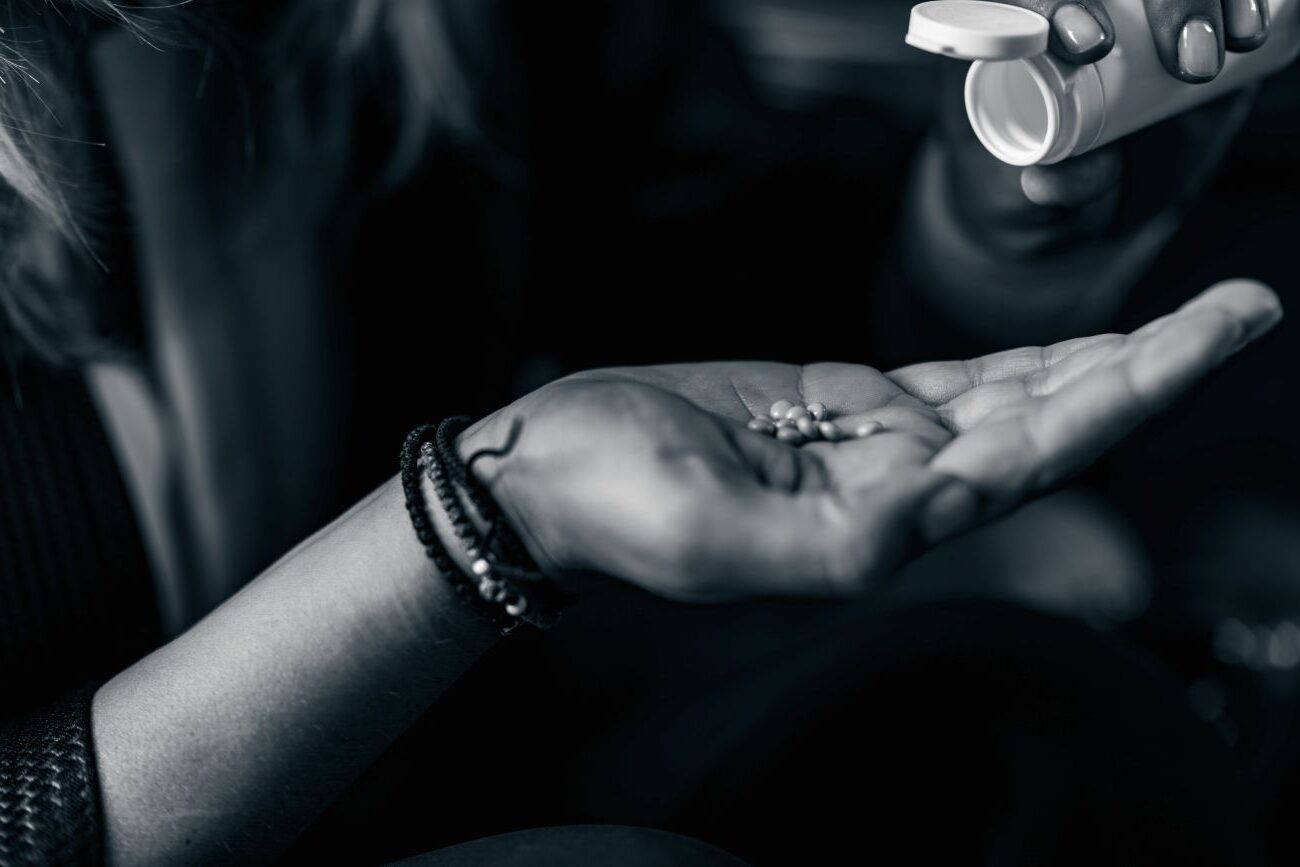
Tens of thousands of Americans like Heaven die every year from fentanyl poisoning—mothers, fathers, cousins, and children. Fentanyl continues to enter the United States, specifically across the southern border, and is mixed into other drugs like cocaine or Percocet. Oftentimes, people seeking out drugs such as the latter two will consume the trace fentanyl unknowingly. And the consequences are deadly. Two milligrams of fentanyl, which is the same size as a couple of grains of sand, has the power to kill.
When Heaven died, she had 70 nanograms of fentanyl in her system, Drewes said. Heaven was 5’3” and 105 pounds. Seventy nanograms is enough to kill 35 people.
“For 24 years, my whole world revolved around this child. And I thought about it the other day, I’m seven years in, and I still cry,” Drewes said.
Drewes is now the primary caretaker of Heaven’s son, and while she misses her daughter every day, she considers it a blessing to raise her grandson.
But following Heaven’s death, Drewes said she suffered from broken heart syndrome, experiencing panic attacks, and taking both anti-anxiety and anti-depressant medications.
One way she was able to move forward was by throwing herself into activism.
“I felt like I was doing something in her name. I felt like I was out here saving other people’s children. And that’s what I tell people. My only child is gone,” Drewes said. “I’m out here fighting to save yours, fighting to keep the living, living. We do honor to the dead, but I can’t bring Heaven back. There’s nothing I can do for Heaven, but I can do something to save your child.”
Before Heaven’s death, Drewes was not familiar with fentanyl, including the difference between prescription fentanyl, illicit fentanyl, and the various analogs of the drug.
Now, she works with Lost Voices of Fentanyl, reaching out to congresspeople and organizing rallies to advocate a stricter crackdown on illicit fentanyl entering the United States. In July 2025, Drewes was invited to the White House when President Donald Trump signed the Halt Fentanyl Act, permanently classifying fentanyl as a Schedule I drug under the Controlled Substances Act.
Drewes said she hopes countries like China are held accountable, noting that much of the illicit fentanyl that enters the U.S. across the southern border can be traced back to Chinese manufacturers.
“Name one other thing that we have lost 1 million kids to in this country, and nothing was done, because that is what has happened,” Drewes said. “One million kids that have gone and nobody did a damn thing about it.”