


For infants born with drug withdrawals or born into unsafe home situations in rural Washington state, finding foster families to care for them is a particular challenge. Jamie Williams, a registered labor and delivery nurse in the state, first noticed this phenomenon as she observed infants on Child Protective Services hold wait in the hospital far longer than was medically necessary for a foster family to pick them up.
“That really just planted the seed for me, and when I decided to start having children of my own, I started to pull back from my work as a nurse,” Williams said in an interview with IW Features. “Our family decided that we would become licensed foster parents and primarily take in infants that were high risk and vulnerable, just like the infants I would care for in the hospital.”
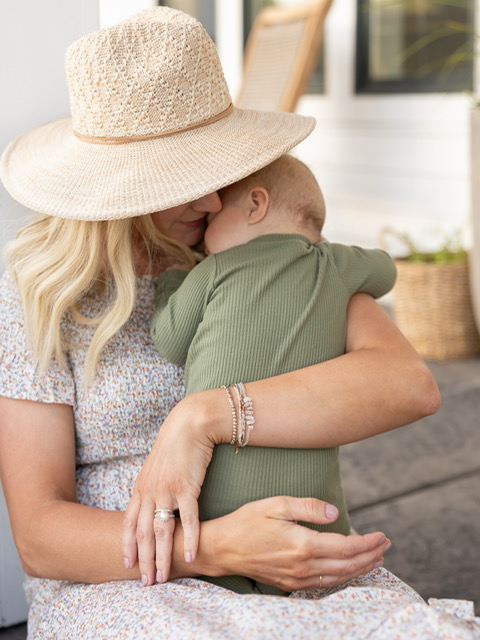
Williams has now fostered babies in Washington for eight years, caring for 10 high-risk infants and children, most of whom were exposed to some sort of drugs in utero. Williams adopted her first foster placement, a baby girl who came to them on oxygen with high medical needs after being born prematurely at 27 weeks.
But a recent revision to the Washington Administrative Code (WAC) that quietly took place in 2021 could prevent Williams from continuing to foster.
Washington officials changed state codes 110-148-1520 and 110-148-1395 to require foster parents to “connect a foster child with resources that support and affirm their needs regarding race, religion, culture, and SOGIE [sexual orientation, gender identity, and expression].” The new regulations now also forbid state agencies from denying placement to a child based on his or her “gender identity.”
“So that would mean if the placement desk called me and said, ‘Hey, Jamie, we have this 11-year-old girl. We’re trying to find a home for her. Do you have room?’ And I say, ‘Oh, gosh, I don’t have, like, a separate room, but she’s an 11-year-old girl. I could room her with my 11-year-old daughter, and that would work out.’ And if I agree and then they call me back, and they say, ‘Hey, we just want to let you know this is a boy transitioning to be a girl,’ that would completely change things for my family, right? And so what that WAC is saying is that I absolutely cannot discriminate against this child coming in because I already agreed.”
Williams has publicly opposed this change, making her a target for leftists in the foster care system. While she hasn’t had any official communication from foster care authorities, she has heard from friends that her vocal opposition is being discussed “all the way up the chain of command.”
“I think Washington state knows that with the executive order that was put out by Trump right now, there’s a spotlight on them, so they haven’t personally had any communication with me,” Williams said, referring to an executive order signed in January 2025 by President Donald Trump that federally recognized only two sexes.
“But I am exploring options on how we can navigate this. If they do choose to dangle my license as leverage to force compliance with unethical and immoral gender ideology in children, it will cross the constitutional line, and I am fully prepared to assert and defend my constitutional rights to their fullest extent,” she added.
For now, Williams doesn’t have any foster children in her care, but she is worried she’ll be “blacklisted” in the foster care system for future placements. Furthermore, while she herself has a good relationship with her licensor, these rules may prevent new foster parents from entering the system if they disagree with radical gender ideology.
“It’s inhibiting being able to license more foster parents because they get to this portion and it’s like a roadblock for them to continue,” Williams said. “So in a system where we’re already in a deficit of foster homes, we’re now going to be in more of a deficit.”
While Trump’s executive orders related to gender ideology and sex changes for children are a great start, Williams argued they are not enough to fix the problems in blue states that have chosen to prioritize gender ideology over children’s well-being in the foster care system. One way in which the administration could crack down on these policies is by targeting the system’s funding.
“Foster care is funded by the government,” Williams said. “And we’re not going to get good PR on this, but I think in order to really make a change, we really have to be aggressive. We have to cut funding and force blue states to comply.”
As a former nurse herself, Williams’ opposition to promoting transgenderism in children is rooted in her professional principle to “first do no harm.” Taking children during their most developmentally and psychologically fragile time and performing irreversible treatments on them is something she can’t stand by and watch happen.
“It is unfathomable that you would place a foster parent in this kind of position and force them to affirm this and be part of this,” Williams said.